

A complete transformer resilience strategy
Transformer resilience is more than replacement.
Manufacturing capacity and strategic spares are essential. But critical oil-filled transformers already in service still carry near-term exposure.
Milliseconds to escalate
Years to replace
Consequence-limitation solution for applicable internal arcing scenarios. Project-specific engineering validation required.
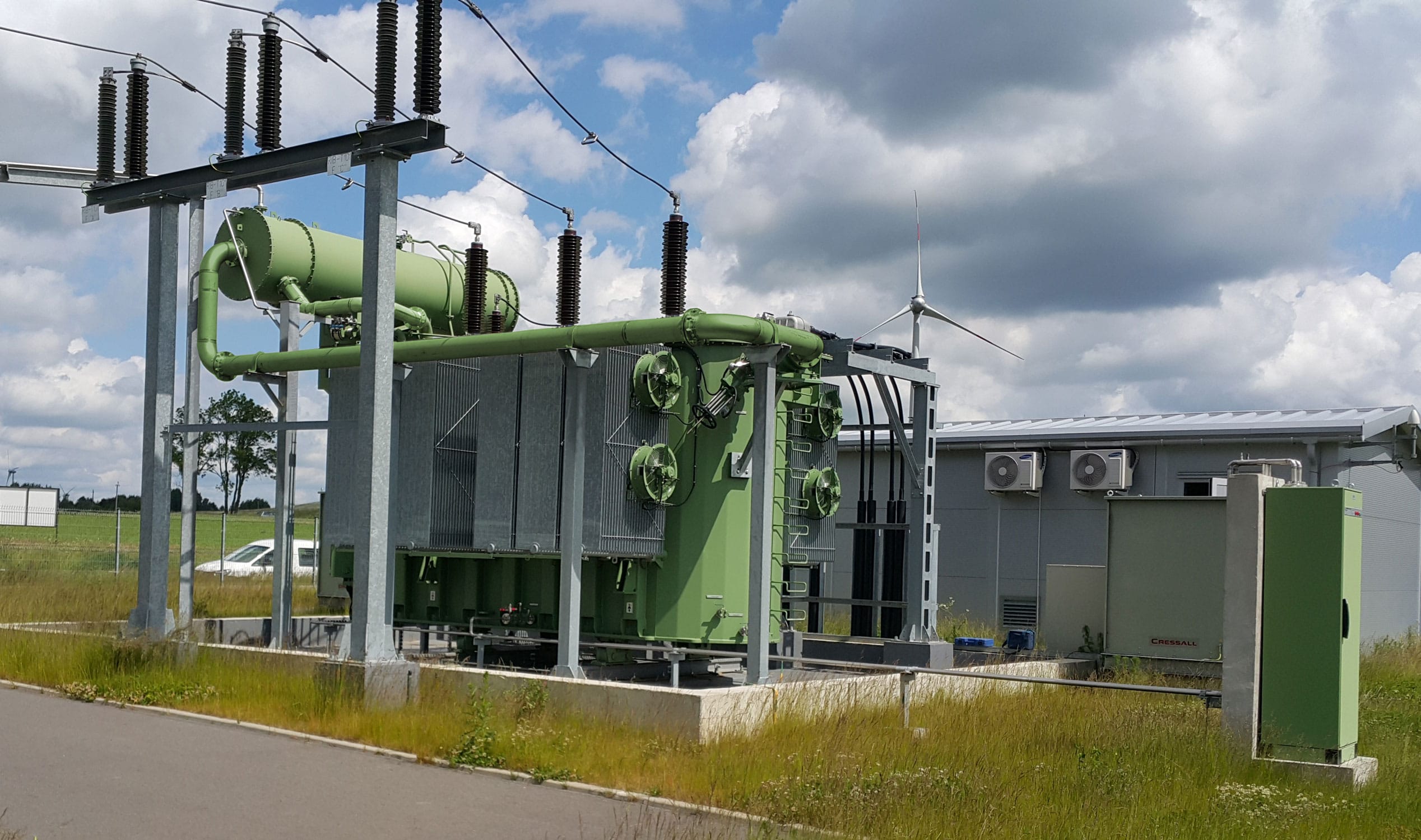
Field-installed fast depressurization system
The near-term gap
A complete strategy must address both future supply and installed critical assets.
Domestic manufacturing, standardization, flexible designs and strategic reserves are necessary for long-term grid resilience.
But critical transformers already in service may be difficult to replace quickly. When a high-consequence asset is lost, the impact can extend beyond the transformer itself.
Protect what the grid cannot quickly replace.
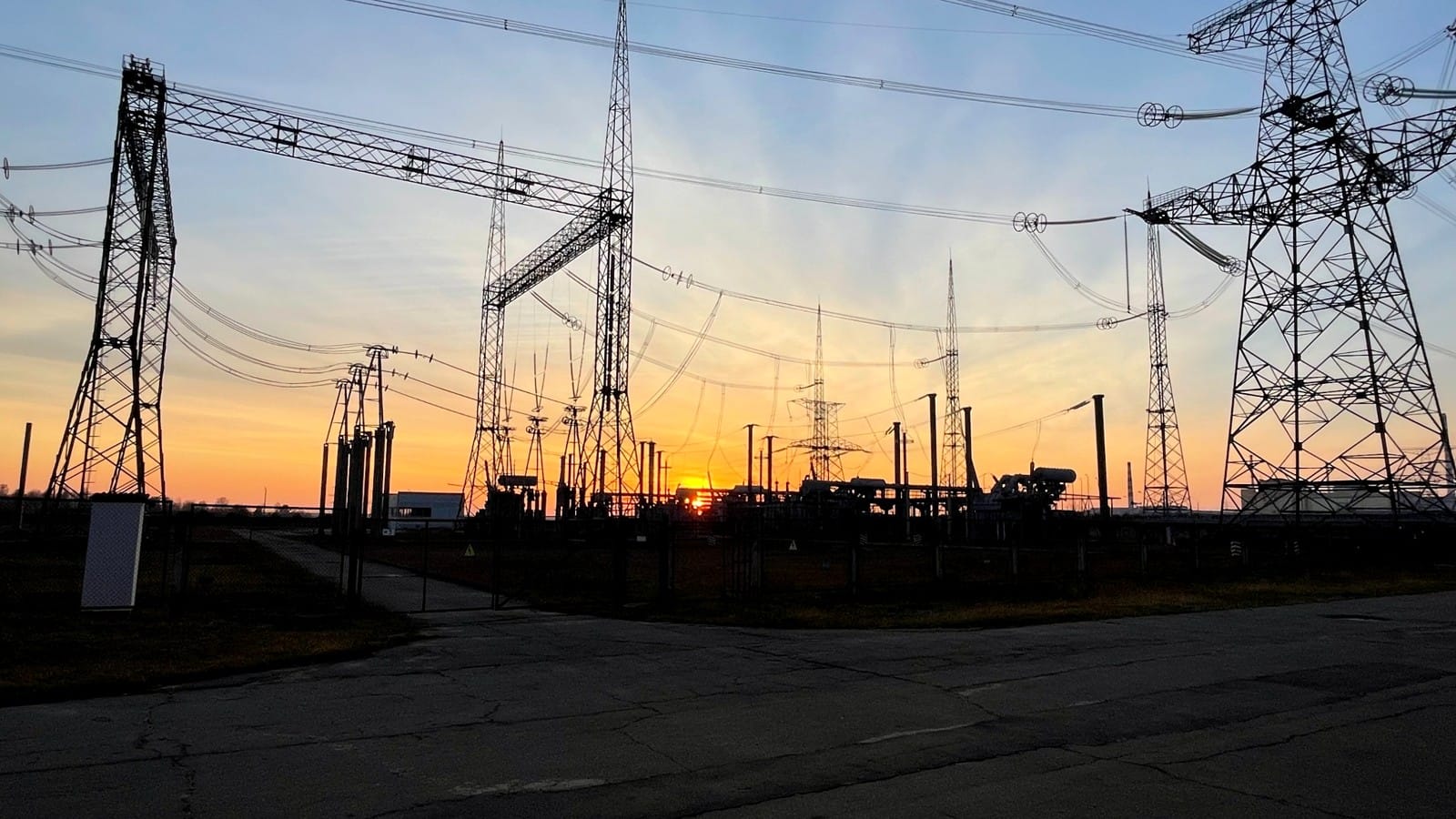
Strategy framework
Build more. Reserve spares. Protect installed assets.
Build more
Domestic manufacturing
Long-term supply capacity
Reserve spares
Strategic transformer reserves
Recovery readiness
Protect installed assets
Retrofit-capable engineered fast depressurization
Near-term consequence limitation
Solution layer
A retrofit-capable physical resilience layer.
TPC provides engineered fast depressurization for selected oil-filled transformers. The system is designed to help limit pressure escalation during applicable internal arcing scenarios, complementing electrical protection, monitoring, fire protection, cyber/OT controls, strategic spares and grid hardening.
- Designed for transformer-specific and site-specific engineering validation
- Applicable to selected retrofit and new-build projects
- Supports consequence limitation where transformer loss is not acceptable
- Complements, rather than replaces, existing protection layers
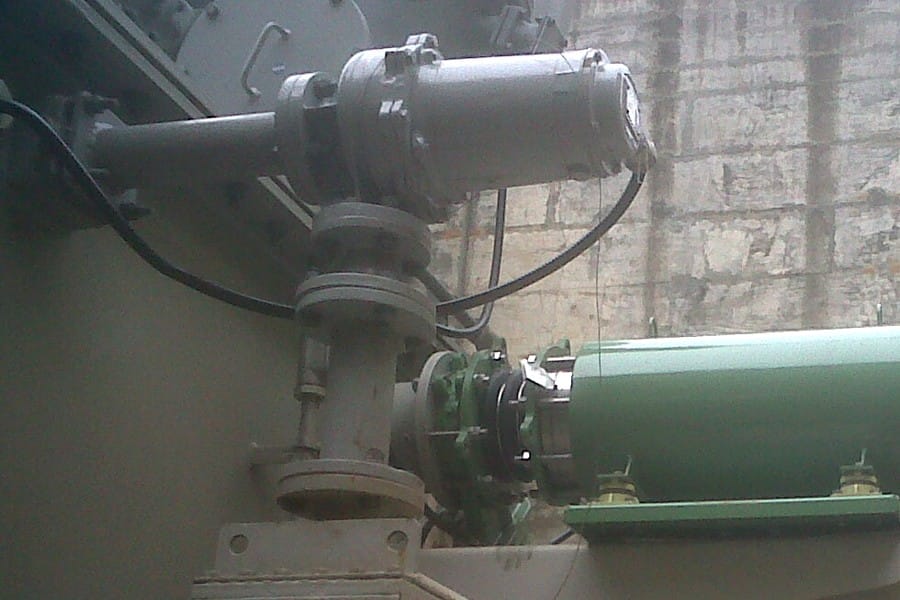
Installed system detail – fast depressurization architecture integrated on a transformer.
How it works
From pressure escalation to consequence limitation.
Internal arcing scenario
Pressure escalation begins
Engineered fast depressurization is initiated
Consequence limitation supports asset resilience
Actual system configuration and depressurization capacity depend on transformer design, fault assumptions and installation constraints.
Proof points
Engineered. Tested. Deployed.
88+ tests
Extensive laboratory and full-scale testing programs.
Full-scale testing
Internal arc testing used to support engineering validation.
CFD / FSI simulation
Simulation-based engineering for pressure dynamics and integration.
Third-party inspection
Independent inspection on selected test conditions.
Field experience
Deployments and known activations across critical environments.
Retrofit applications
Designed for selected existing oil-filled transformers.
Asset review triggers
When should a critical transformer be reviewed?
Not every transformer requires the same level of protection. The priority is to identify assets where loss would create disproportionate operational, safety, environmental or financial consequences.
No suitable spare transformer available
Long replacement or transport lead time
High-consequence transmission or GSU asset
Urban, industrial, underground, offshore or constrained site
Data center or critical facility dependency
Safety, environmental or insurance exposure
Applications
Where installed-asset resilience matters.
Transmission substations
Power generation and GSUs
Data centers and critical facilities
Heavy industry and mining
Offshore and remote assets
Urban and constrained substations
Key questions
Where installed-asset resilience matters.
Does this replace electrical protection?
No. It complements electrical protection, monitoring, fire protection, maintenance, cyber/OT controls and spare transformer strategies.
Is this applicable to every transformer?
No. Each project requires transformer-specific and site-specific engineering validation.
What problem does it address?
It is designed to help limit pressure escalation during applicable internal arcing scenarios in oil-filled transformers.
Why now?
Replacement cycles, supply-chain constraints and growing dependency on critical electrical infrastructure increase the value of protecting installed assets before a catastrophic loss occurs.
Key questions
Protect the transformer. Preserve the infrastructure.
Start with an engineering discussion to evaluate whether selected critical transformers should be reviewed for retrofit-capable physical consequence limitation.

Engineering Protection. Powering Trust.
Start with an engineering discussion to evaluate whether selected critical transformers should be reviewed for retrofit-capable physical consequence limitation.