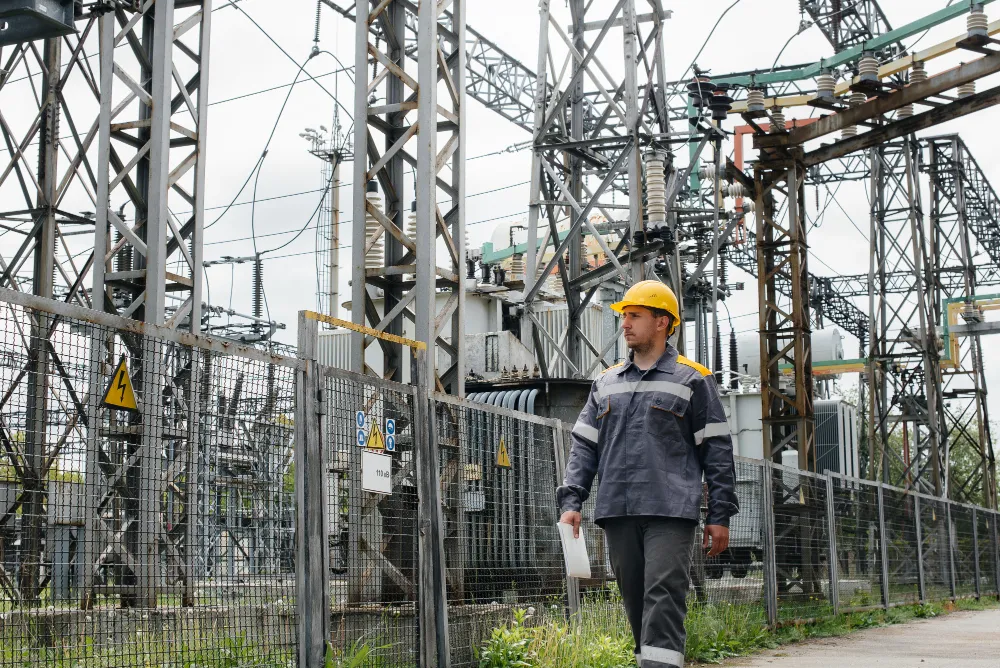

Engineering resilience validated through full-scale internal arc testing and calibrated performance modelling.
Why Validation Matters
Structural protection against transformer explosion cannot rely on theoretical assumptions alone.
Internal arcing faults produce extreme pressure escalation within milliseconds.
Effective mitigation must be validated under representative energy conditions.
Resilience engineering requires:
- Controlled high-energy testing
- Measured pressure-time performance
- Repeatable activation validation
- Correlation between modelling and physical results
Testing establishes engineering credibility.

Full-Scale Internal Arc Testing
TPC structural protection systems are supported by validation programs conducted under controlled conditions.
Testing environments simulate:
- High-energy internal arc events
- Rapid gas generation
- Dynamic pressure propagation
- Tank stress conditions
Measured parameters include:
- Pressure rise rate
- Activation timing
- Venting performance
- Structural response behavior
Full-scale validation provides empirical data on millisecond-scale system response.
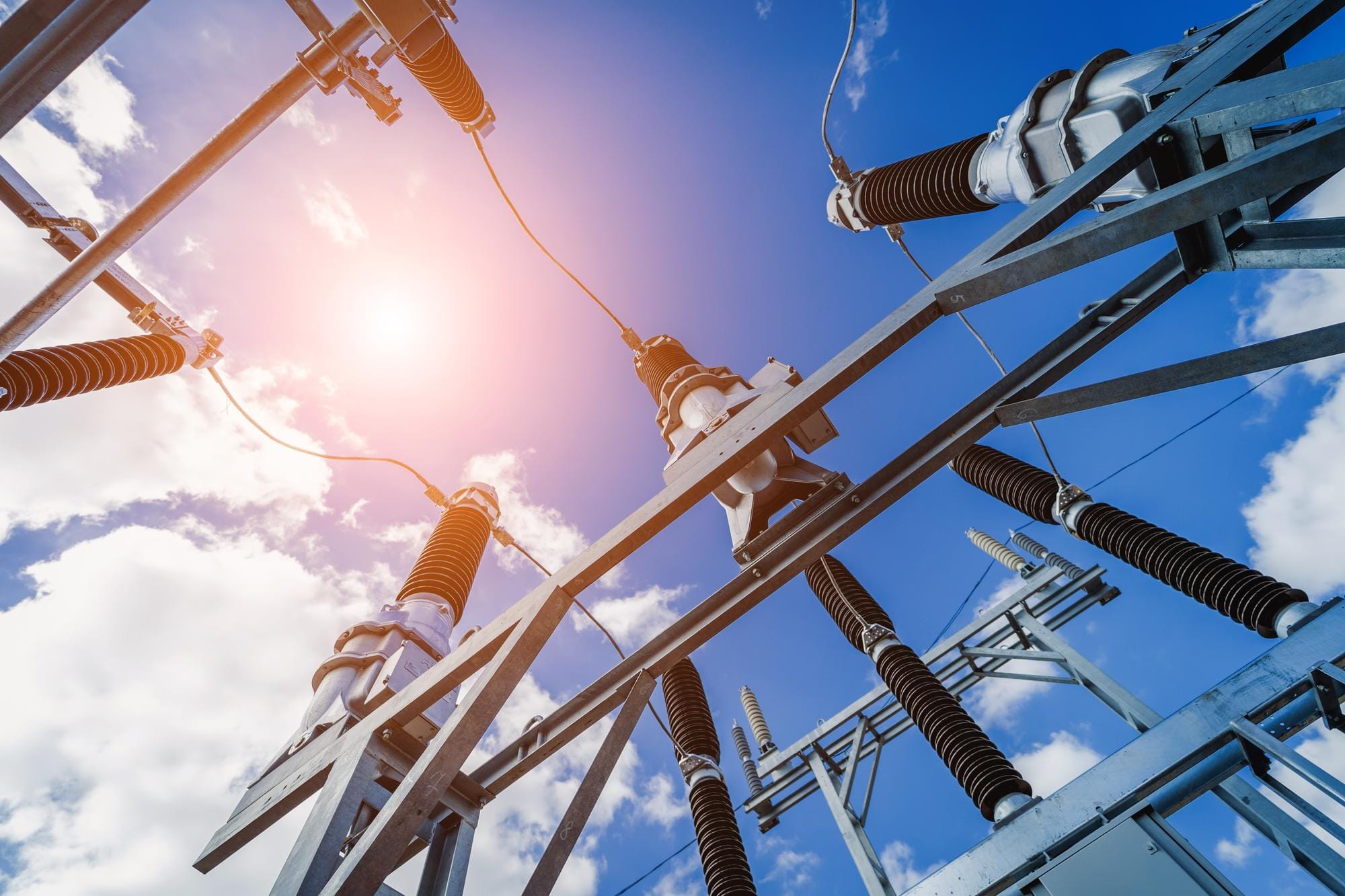
Pressure-Time Performance
The critical parameter in transformer structural survivability is the relationship between:
- Dynamic pressure formation
- Static overpressure escalation
- Mechanical activation timing
Testing confirms system activation within the dynamic pressure window, prior to destructive static overpressure buildup.
Performance validation focuses on:
- Millisecond-scale response
- Controlled pressure relief
- Structural integrity preservation

Modelling Correlation
Validation programs are supported by:
- Computational Fluid Dynamics (CFD)
- Fluid–Structure Interaction (FSI) modelling
- Pressure propagation simulations
- Structural stress analysis
Modelling results are calibrated against full-scale test measurements.
This dual approach ensures that:
- Engineering assumptions are grounded in empirical data
- System performance predictions align with physical behavior
- Project-specific configurations can be evaluated with technical rigor
Field Experience
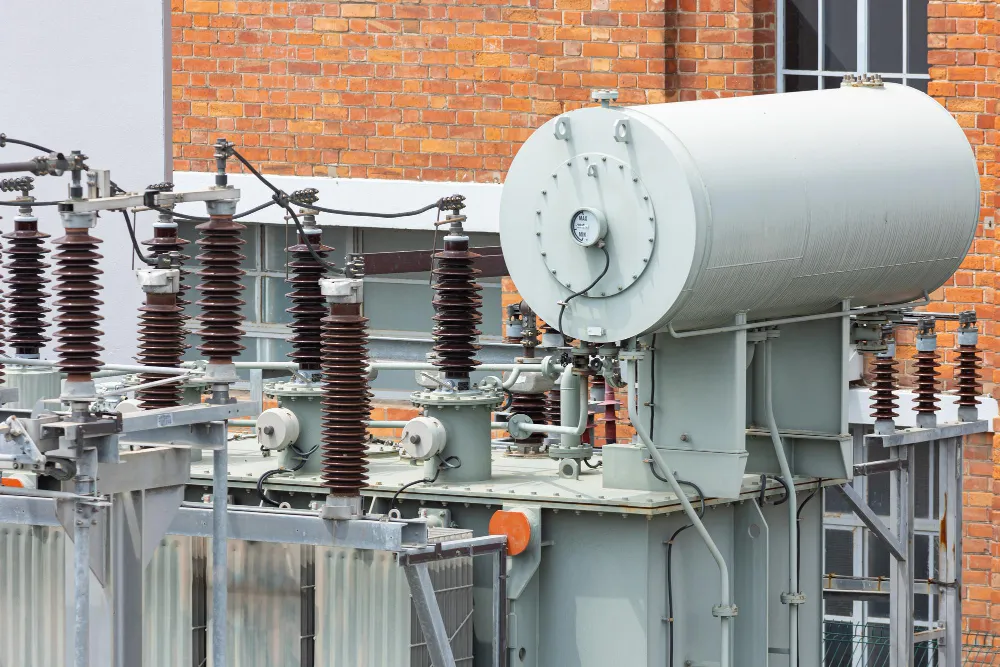
Beyond controlled testing environments, structural protection systems have been deployed across diverse transformer configurations and operational contexts.
Field experience supports:
- Activation reliability
- Mechanical robustness
- Integration feasibility
- Long-term operational stability
Operational feedback informs ongoing engineering refinement.

Documentation & Review Support
Validation and testing documentation can support:
- Project-level engineering review
- Insurance risk assessment
- Regulatory alignment processes
- Internal governance documentation
Engineering data is provided within the context of project-specific evaluation and applicable regulatory frameworks.

Engineering Integrity
Validation is not a marketing statement.
It is a technical discipline.
Resilience engineering requires:
- Empirical evidence
- Transparent performance data
- Structured testing methodology
- Project-specific verification
Structural survivability must be demonstrated — not assumed.

Request Technical Documentation
Contact TPC to discuss:
- Testing frameworks
- Performance validation methodology
- Project-specific modelling support
- Engineering review documentation