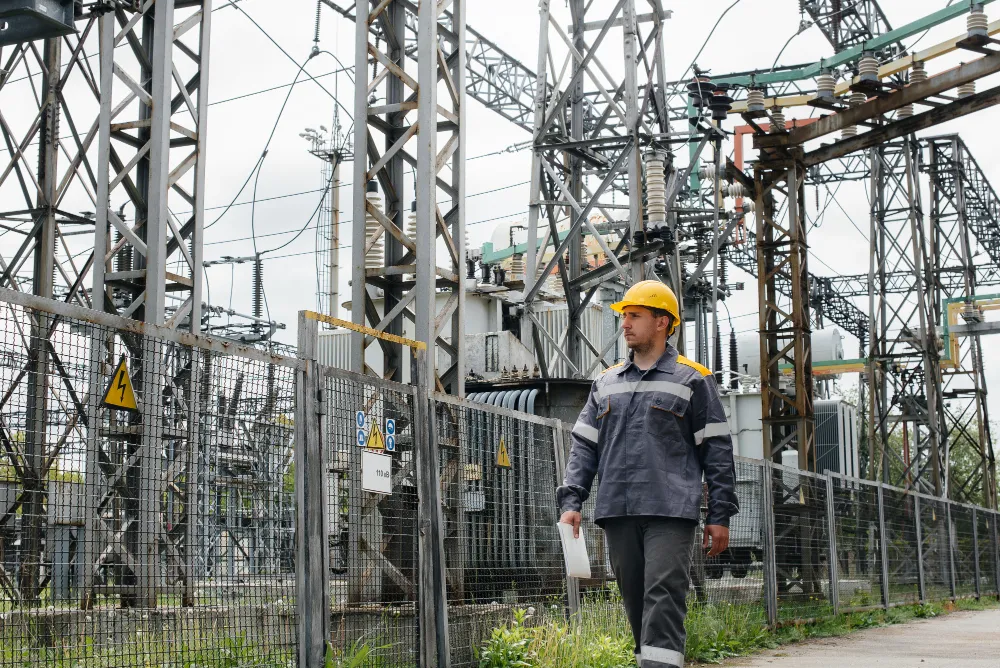

Validated, modeled, and integrated transformer structural protection systems designed for critical power infrastructure.
Engineering is the Foundation
Structural transformer explosion prevention is fundamentally an engineering discipline — not a hardware deployment.
Transformer structural protection is not a product installation.
It is an engineering process governed by physics, validation, and disciplined integration.
Effective resilience depends on:
- Understanding dynamic pressure behavior
- Validating performance under high-energy conditions
- Engineering transformer-specific configurations
- Documenting compliance and integration parameters
Resilience must be engineered, not assumed.
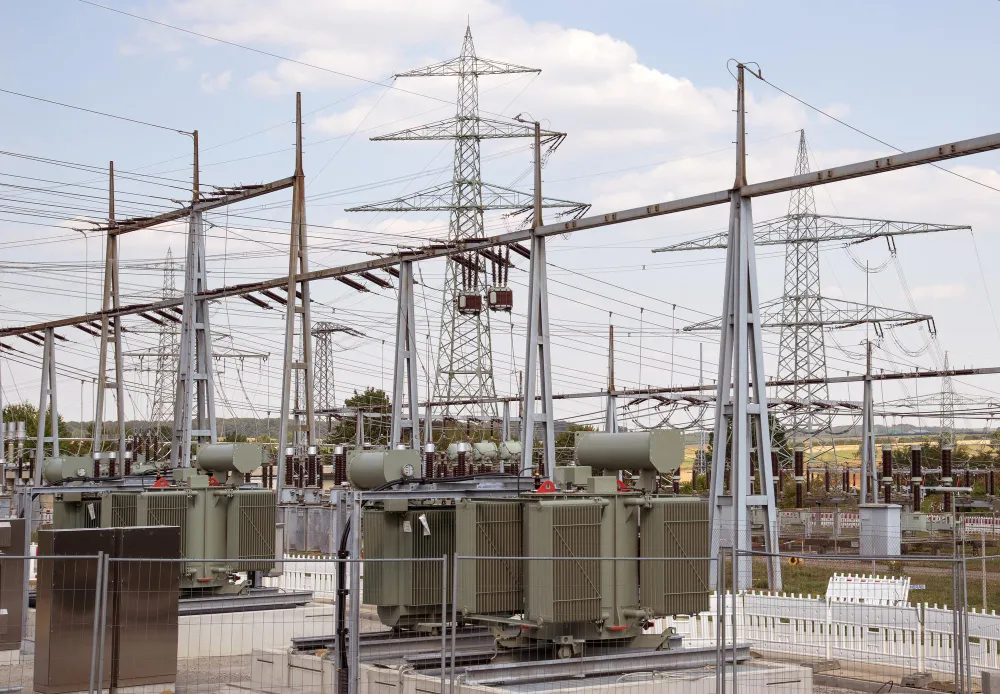
Our Engineering Framework
Survivability is determined within the first milliseconds of pressure escalation — engineering defines that window.
TPC engineering is structured around four pillars:
Validation & Testing
Empirical full-scale internal arc testing supporting millisecond-scale activation performance.
Modeling & Analysis
CFD and fluid–structure interaction (FSI) modelling calibrated against physical test data.
Integration Engineering
Transformer-specific mechanical interface design and controlled field deployment.
Compliance & Documentation
Alignment with risk-based regulatory frameworks and structured technical documentation.
Each pillar supports structured engineering decisions rather than generalized product claims.
Full-Scale Validation
Engineering decisions are supported by:
- High-energy internal arc simulation
- Measured pressure-time performance
- Dynamic activation verification
- Structural survivability evaluation
- Risk tolerance
Testing data informs modelling calibration and project-specific configuration.
Validation bridges theoretical design and real-world performance.
Pressure Modeling & Structural Analysis
Internal fault dynamics are analyzed through:
- Pressure propagation modelling
- Compartment-specific exposure analysis
- Structural stress response evaluation
- Venting efficiency simulation
Engineering models are calibrated against measured data to reduce uncertainty in design assumptions.
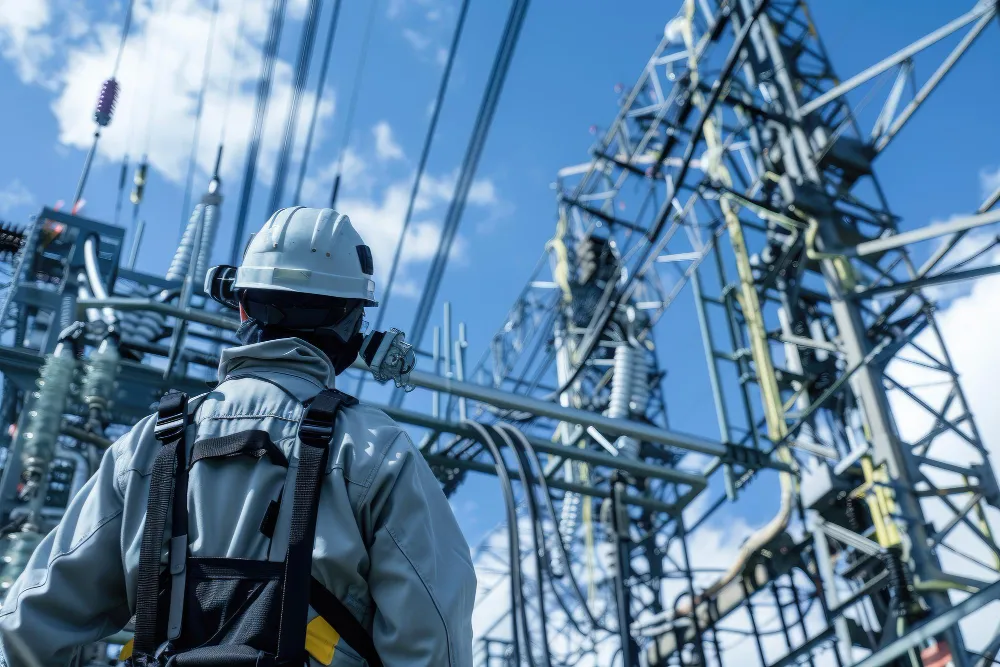
Transformer-Specific Integration
Every transformer presents unique structural and operational constraints.
Engineering evaluation includes:
- Tank geometry review
- Oil volume segmentation
- Auxiliary compartment analysis
- Site layout and clearance constraints
- Retrofit feasibility assessment
Protection systems are configured accordingly.
No two integration projects are identical.
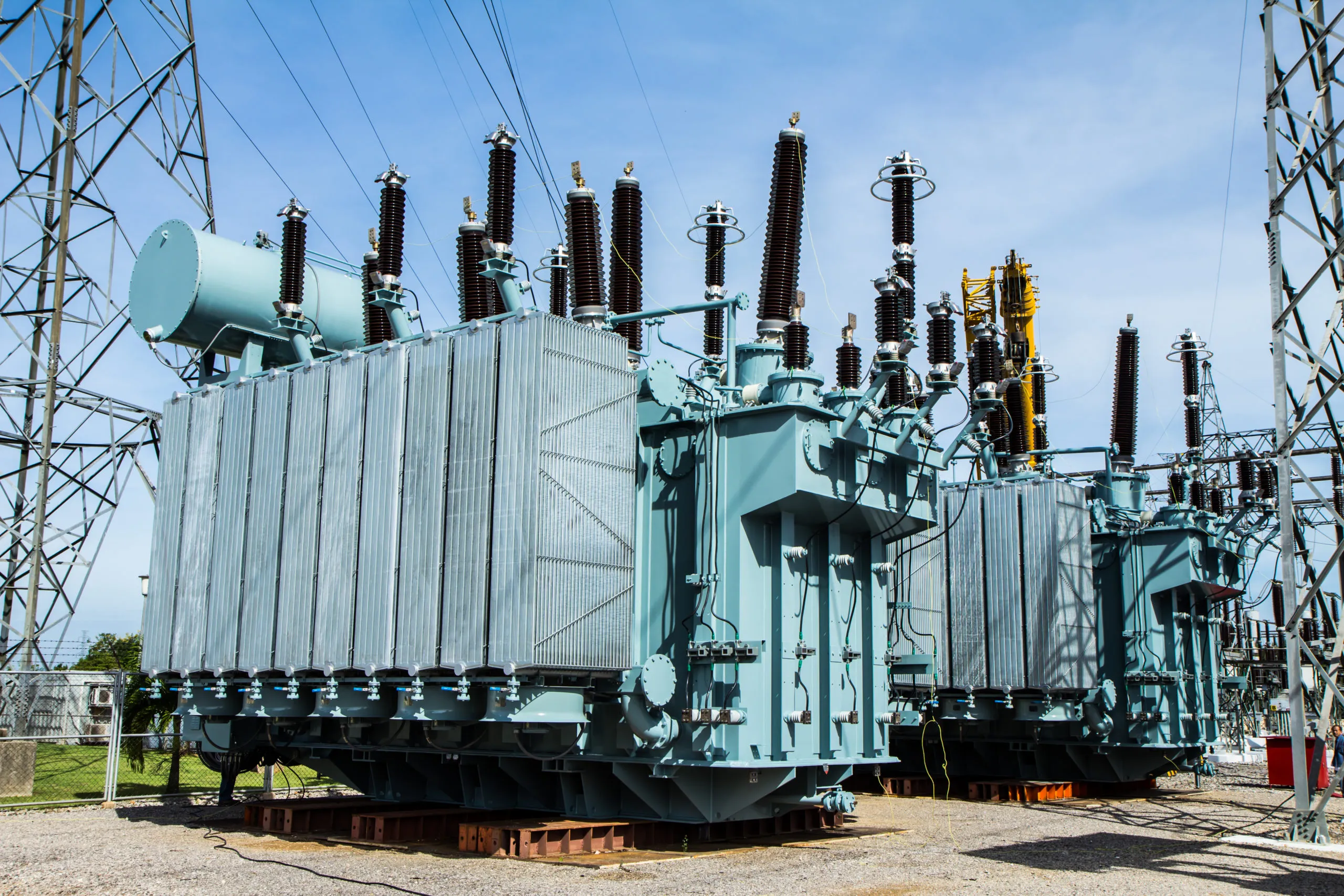
Field Execution Discipline
Engineering rigor extends into field deployment:
- Installation sequencing
- Mechanical verification
- Functional activation testing
- Commissioning documentation
- Post-installation review
Integration is executed without modification to existing electrical protection logic.

Engineering Governance
Structural resilience decisions must align with:
- Owner risk management frameworks
- Insurance technical review
- Regulatory alignment
- Internal engineering standards
Engineering documentation supports structured review rather than marketing representation.
Mechanical response to dynamic pressure is the only way to prevent catastrophic structural rupture at its source.
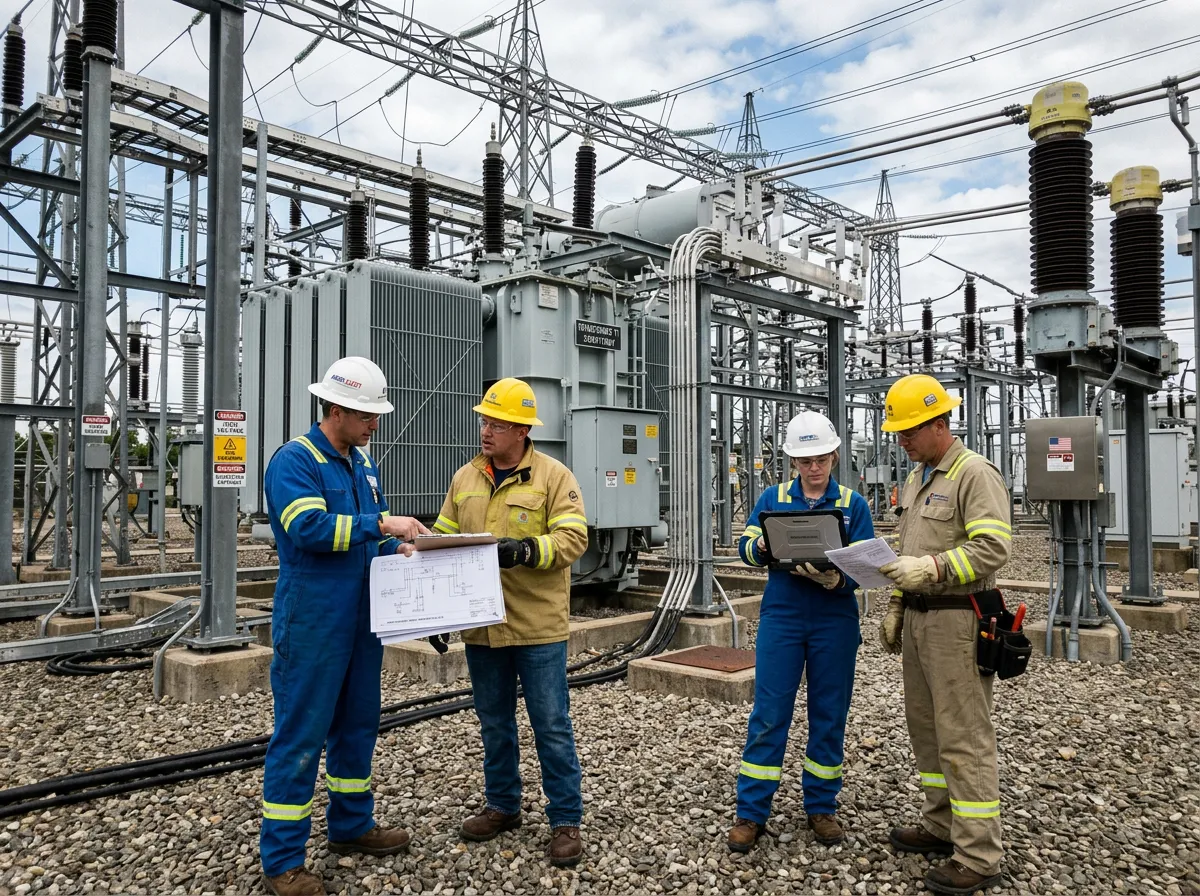
Request Engineering Discussion
Engineering evaluation begins with structured dialogue.
Contact TPC to discuss:
- Structural exposure assessment
- Validation frameworks
- Integration feasibility
- Documentation requirements
Engineering documentation supports structured review rather than marketing representation.