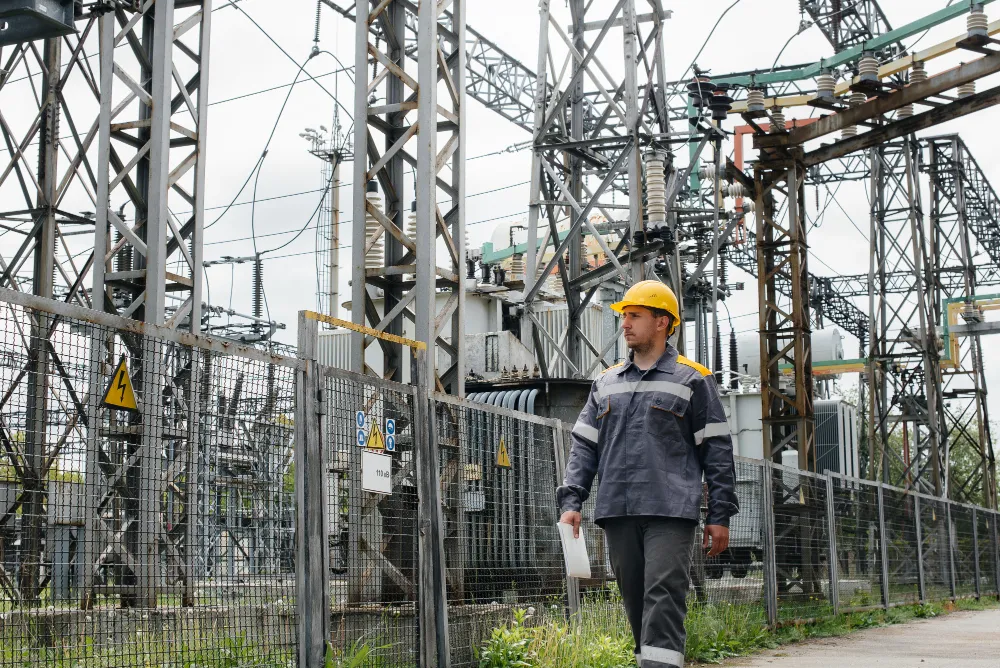

Transformer structural explosion prevention engineered for high-consequence environments where structural failure is not an acceptable outcome.
One Engineering Discipline. Multiple Operating Realities.
Transformer internal faults can create rapid pressure escalation inside the tank. Electrical protection isolates the fault, but it does not prevent millisecond-scale structural escalation.
TPC’s engineering approach addresses the structural survivability problem in a way that adapts to sector-specific constraints: congestion, redundancy architecture, safety exposure, environmental sensitivity, and business continuity requirements.

What You Can Expect From a Structured Engineering Engagement
Engineering Evaluation
- Structural exposure assessment
- Transformer configuration review
- Site constraint evaluation
Validation & Modeling Basis
- Physics-based analysis approach
- Test-calibrated engineering methods
- Structured documentation outputs
Integration Discipline
- Installation sequencing considerations
- Functional verification approach
- Commissioning documentation support
Final configuration is project-specific and depends on transformer geometry, oil volume, compartment layout, and site constraints.
Start With an Engineering Review
Submit your project context for structured technical evaluation and next-step guidance.
- Sector-specific risk exposure
- Asset criticality assessment
- Retrofit or new integration feasibility
- Regulatory alignment