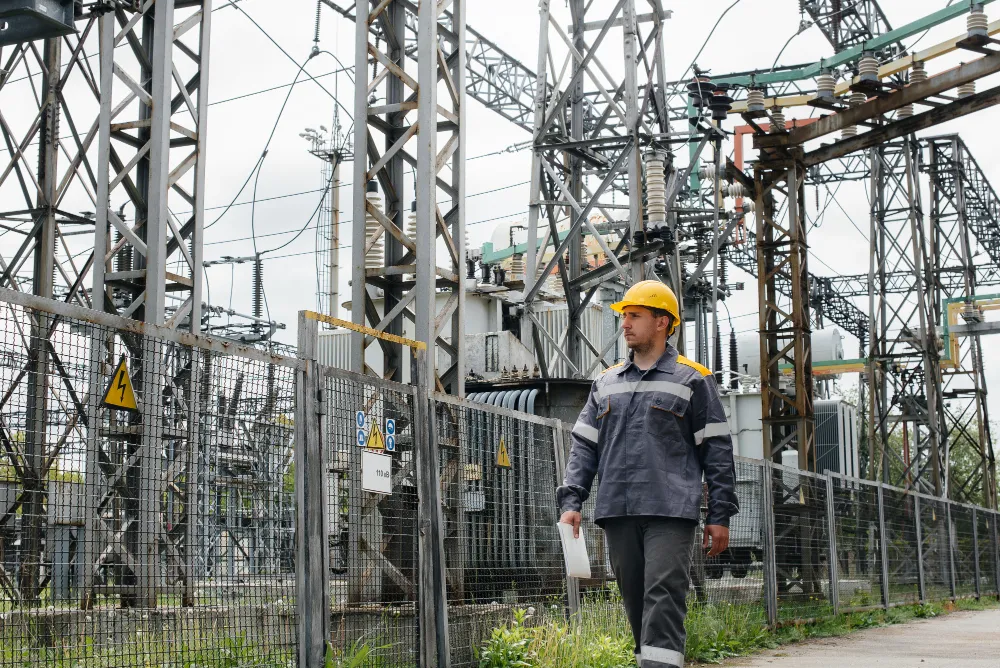

Engineering solutions designed to preserve transformer integrity, protect adjacent assets, and maintain operational continuity across high-voltage utility networks.
The Utility Risk Context
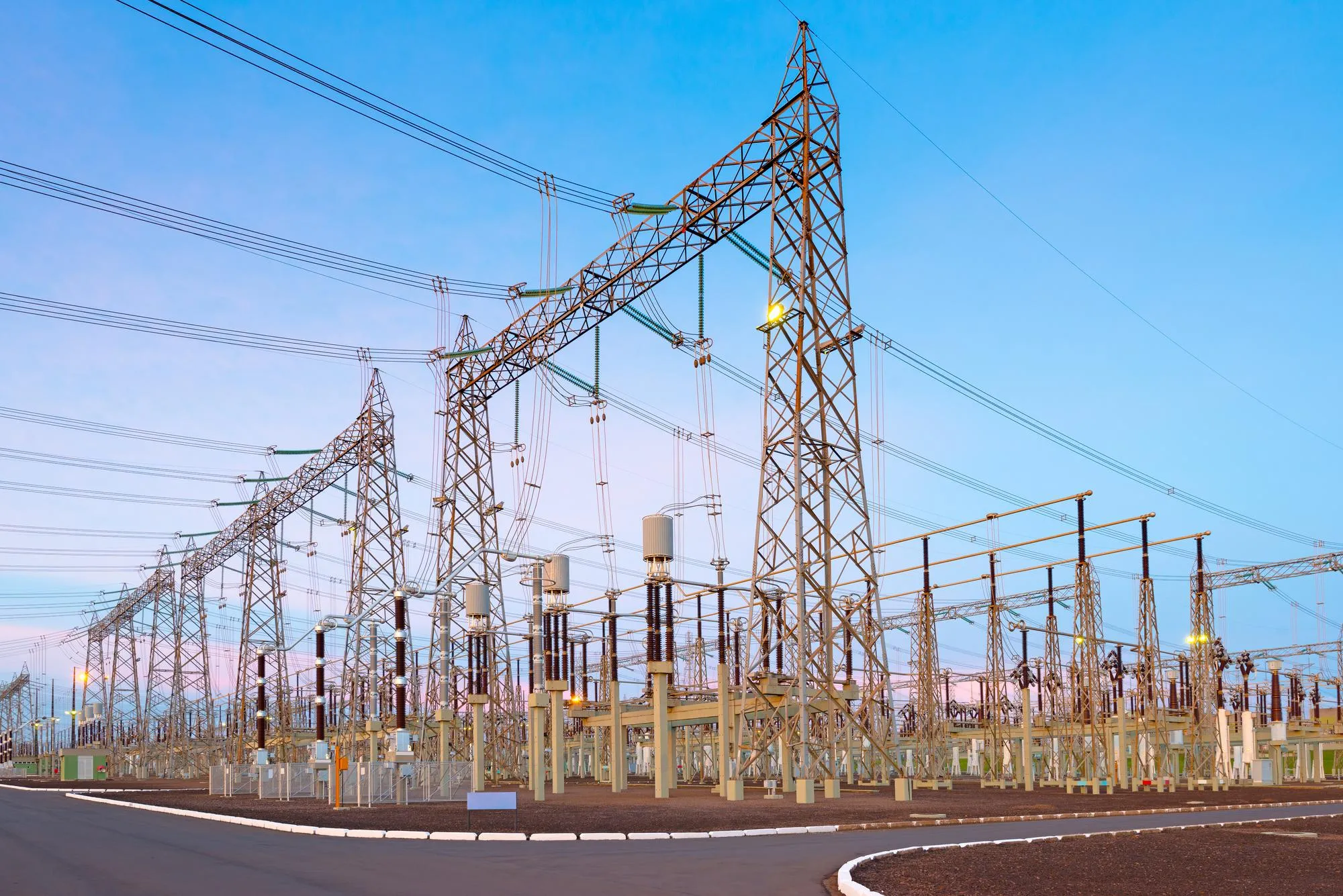
In transmission networks, transformer explosion is not an isolated event — it is a system-level risk.
High-voltage transformers are critical system nodes.
In transmission and distribution networks, power transformers represent:
- High-value capital assets
- Critical grid stability components
- Long-lead replacement equipment
- Central nodes within redundancy architecture
When structural rupture occurs due to internal arcing:
- Oil release and fire may damage adjacent infrastructure
- Busbars, cables, and protection systems may be affected
- Substation sections may require shutdown
- Replacement lead times may extend for months
The operational consequence extends beyond the failed transformer.
Resilience must protect the system — not only the asset.
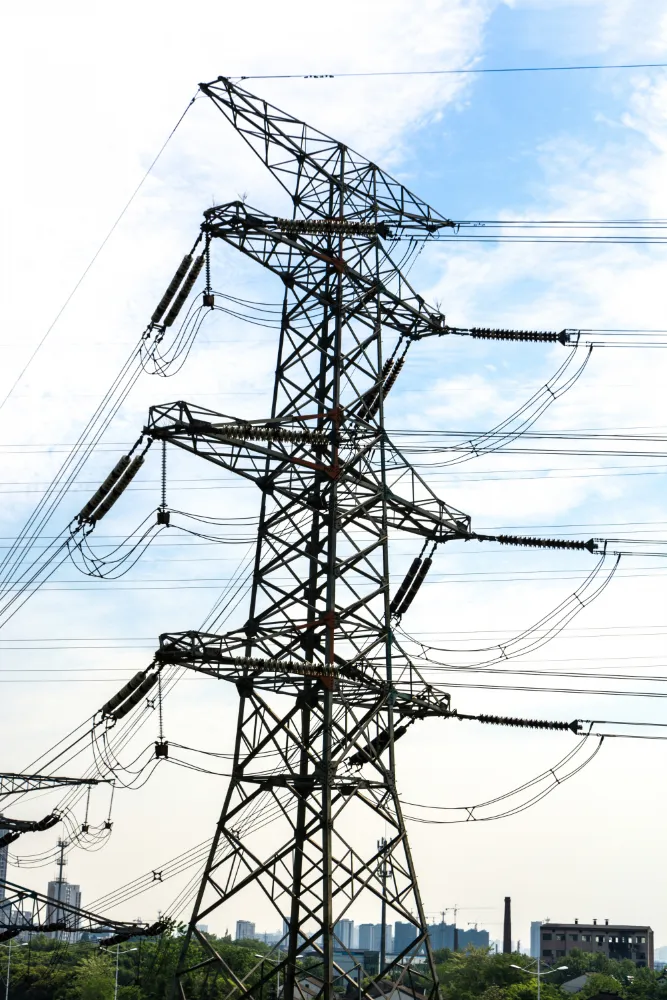
Structural Survivability in Substations
Electrical protection isolates faults.
Mechanical engineering prevents structural escalation.
It does not control millisecond-scale internal pressure escalation.
In dense substation environments, structural rupture can:
- Compromise nearby transformers
- Damage shared cable trenches
- Trigger safety-driven system shutdown
- Invalidate redundancy assumptions
Engineering-based structural protection preserves:
- Tank integrity
- Substation continuity
- Redundancy availability
Resilience begins with preventing catastrophic structural escalation.
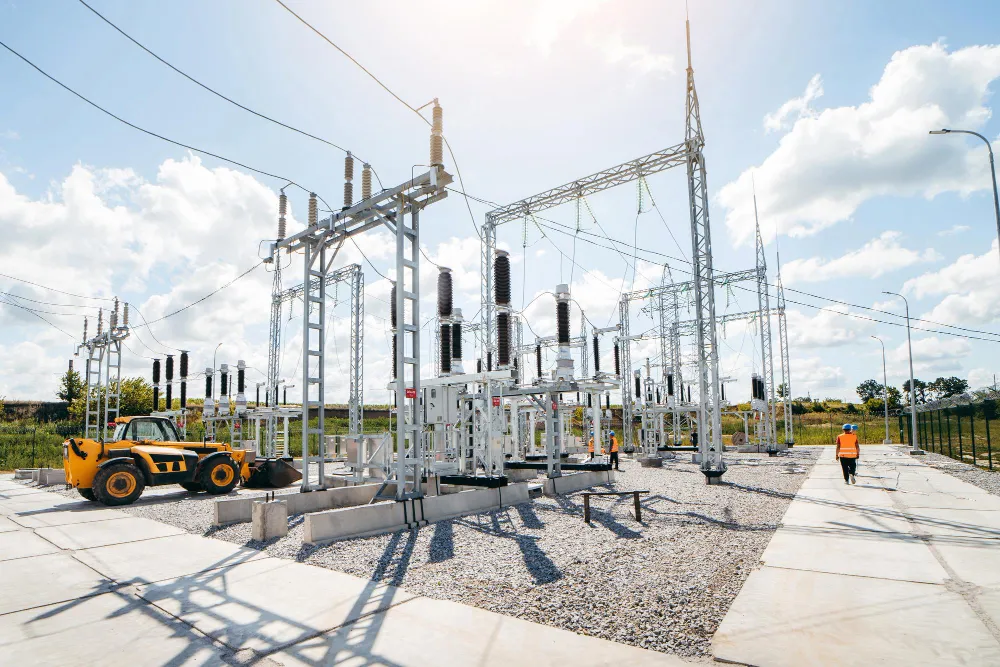
Retrofit For Aging Utility Fleets
A significant portion of utility transformer fleets is aging.
Full asset replacement is often constrained by:
- Budget cycles
- Lead times
- Network planning
- Regulatory review
Retrofit structural protection enables utilities to:
- Enhance survivability of existing assets
- Reduce catastrophic exposure
- Extend asset service life
- Improve risk profile
Engineering upgrades can be implemented without altering relay logic or protection coordination.
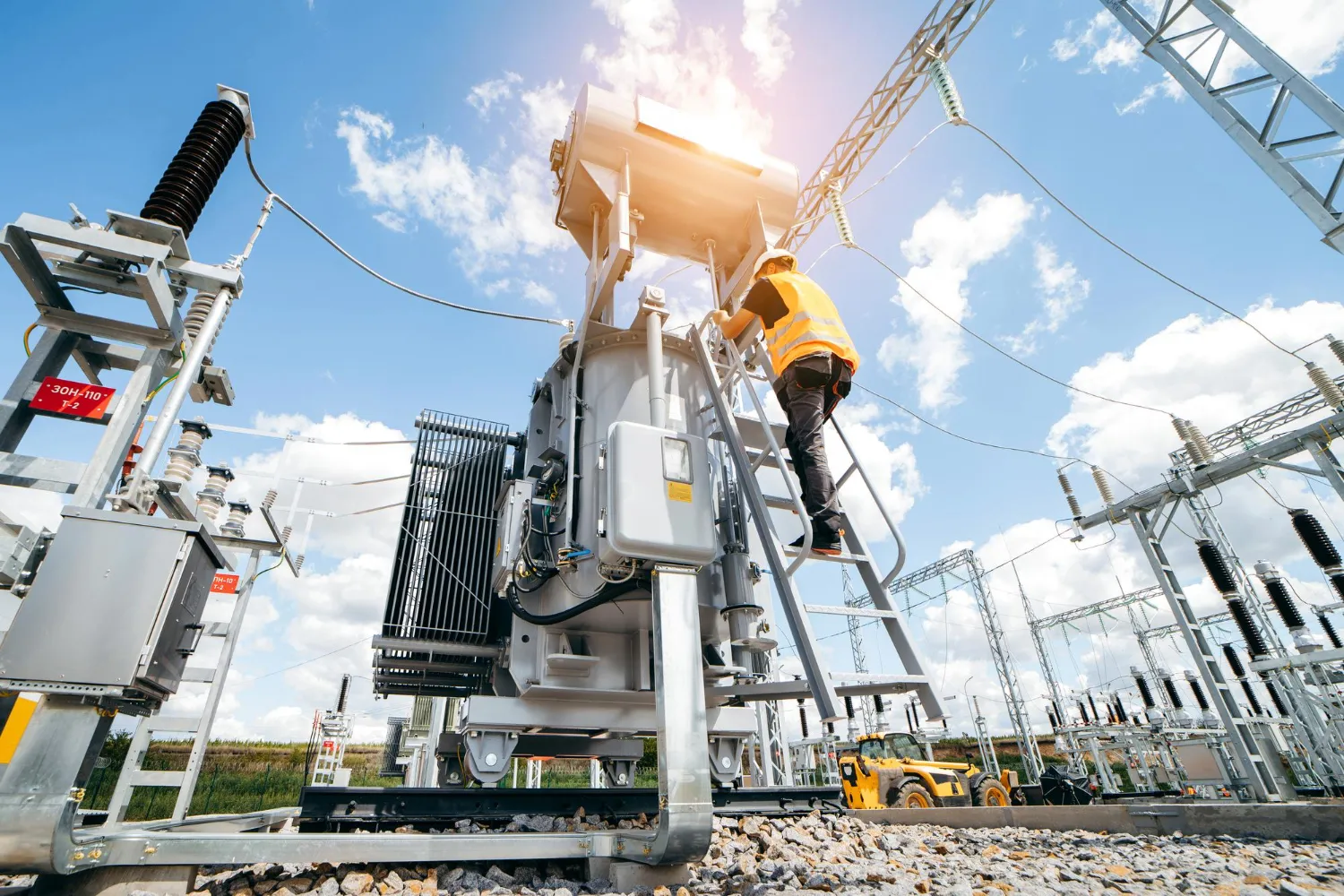
New Substation Projects
For new transmission and distribution projects, structural protection can be integrated during:
- Transformer specification phase
- Substation layout design
- Risk assessment documentation
- Insurance review process
Engineering integration ensures that structural resilience is embedded within network design.
Environmental & Regulatory Considerations
Substations located in urban or environmentally sensitive areas face additional exposure:
- Oil containment requirements
- Environmental remediation risk
- Public safety considerations
- Regulatory oversight
Preserving transformer tank integrity directly reduces:
- Oil release potential
- Secondary fire risk
- Environmental impact
Resilience engineering supports structured regulatory alignment.

Insurance & Risk Management
Utilities increasingly evaluate:
- Maximum foreseeable loss
- System-level cascading impact
- Infrastructure resilience planning
Engineering-based structural protection:
- Improves technical defensibility
- Supports underwriting discussions
- Reduces high-severity exposure
Risk mitigation is strengthened through validated engineering intervention.
Who TPC Supports
TPC supports:
- Reduce localized structural rupture risk
- Limit pressure propagation across volumes
- Improve asset survivability
- Enhance system-level resilience
Engineering teams work in coordination with utility standards, safety procedures, and operational planning frameworks.
Grid resilience depends on preserving transformer tank integrity under extreme internal fault conditions.
Request Engineering Discussion
Every substation configuration presents unique structural considerations.
Contact TPC to evaluate:
- Transformer structural exposure
- Retrofit feasibility
- Substation risk alignment
- Integration into design basis documentation