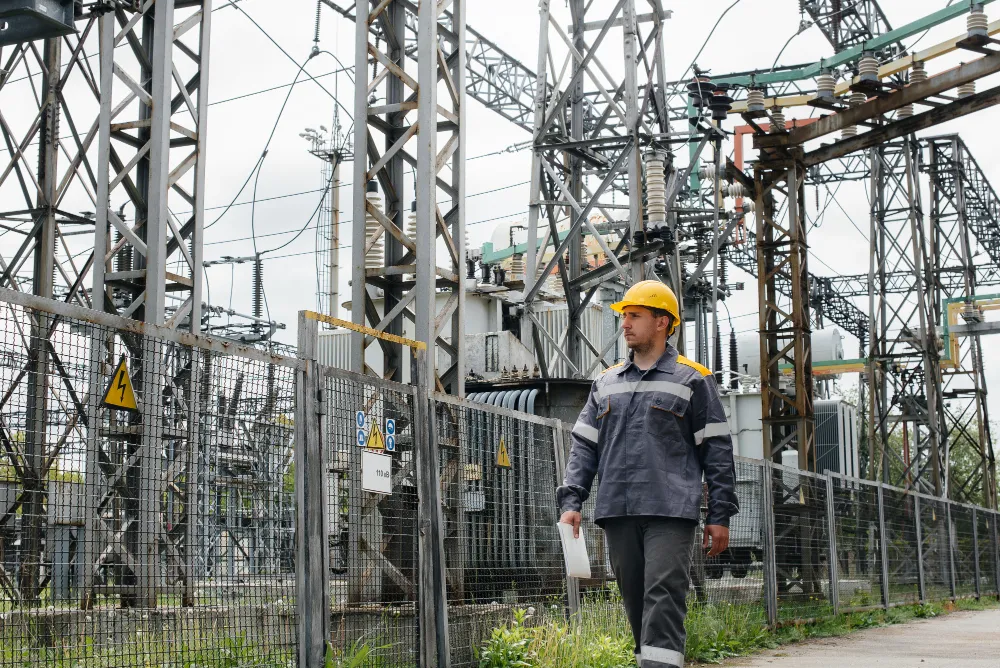

Mechanical transformer explosion prevention engineered for production-critical industrial environments.
In heavy industrial facilities, structural transformer failure can halt production within seconds.
The Industrial Context
Industrial facilities — including mining, steel production, chemical processing, manufacturing, and large-scale processing plants — rely on high-capacity oil-filled transformers to power mission-critical equipment.
Electrical protection isolates faults.
It does not prevent millisecond-scale pressure escalation inside the transformer tank.
These transformers support:
- Continuous production processes
- High-load electrical systems
- Safety-critical equipment
- Environmental control systems
When structural rupture occurs following internal arcing:
- Oil release may escalate into fire
- Adjacent process equipment may be damaged
- Production may halt abruptly
- Recovery timelines may extend significantly
Structural explosion prevention protects not only the transformer — but the entire production ecosystem.
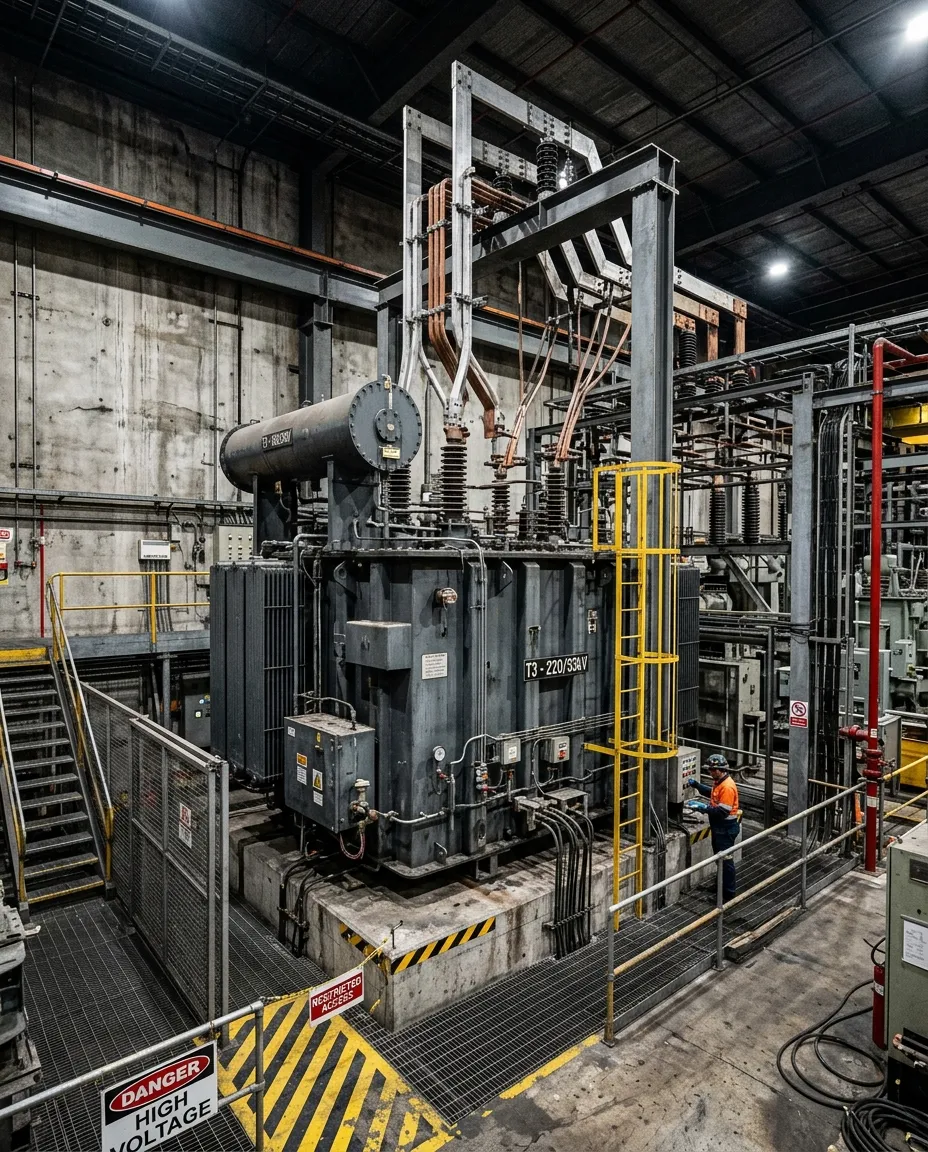
Structural Escalation In Industrial Environments
Electrical relays isolate faults.
They do not mitigate millisecond-scale pressure escalation.
In dense industrial layouts, structural rupture may result in:
- Damage to cable galleries and bus systems
- Exposure of control systems
- Safety-driven shutdown of production lines
- Extended restart and commissioning sequences
Preserving tank integrity reduces the severity of the event and improves recoverability.
Structural explosion prevention protects not only the transformer — but the entire production ecosystem.
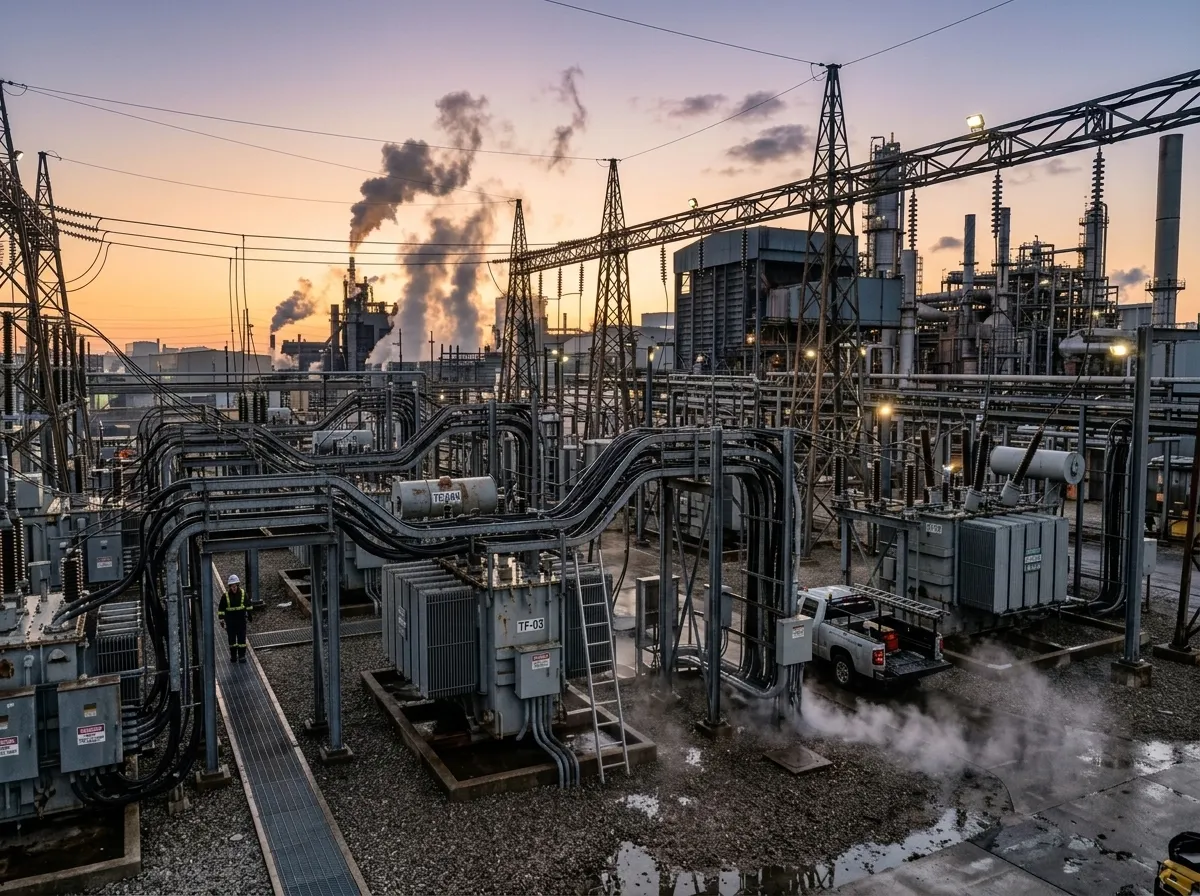
Application In Heavy Process Facilities
Structural protection engineering is particularly relevant for:
- Steel mills and foundries
- Mining operations
- Cement plants
- Chemical and petrochemical facilities
- Large manufacturing sites
Engineering integration supports:
- Tank structural survivability
- Reduced risk of collateral asset damage
- Improved operational continuity
- Alignment with industrial safety frameworks
Resilience engineering reduces exposure to high-severity disruption.
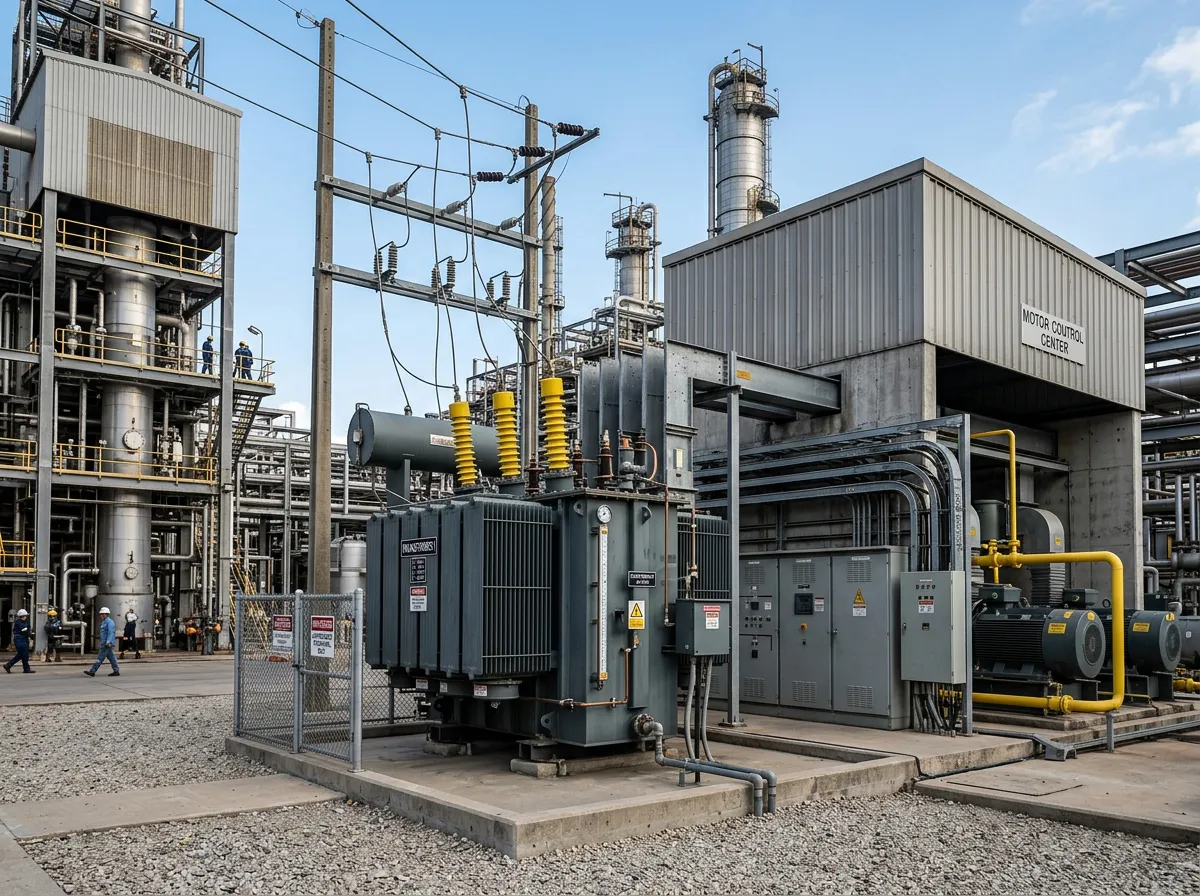
Retrofit For Operating Plants
Many industrial facilities operate transformer fleets installed decades ago.
Asset replacement may be constrained by:
- Capital planning cycles
- Production continuity requirements
- Supply chain lead times
- Installation complexity
Retrofit structural protection enables:
- Enhanced survivability of in-service transformers
- Integration during scheduled maintenance
- Risk mitigation without altering electrical protection logic
Engineering planning ensures compatibility with operational discipline.
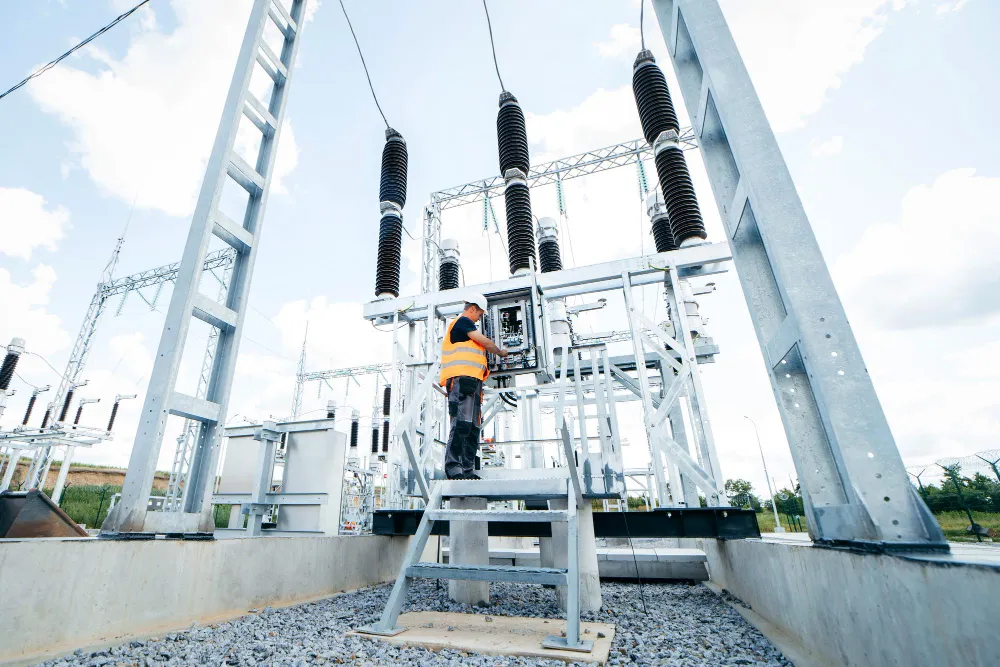
Safety & Environmental Impact
Structural rupture in industrial facilities may result in:
- Oil release within confined areas
- Fire propagation in process environments
- Environmental remediation requirements
- Regulatory review and reporting
Preserving structural integrity reduces environmental and safety exposure.
Resilience engineering supports compliance with industrial safety management frameworks.
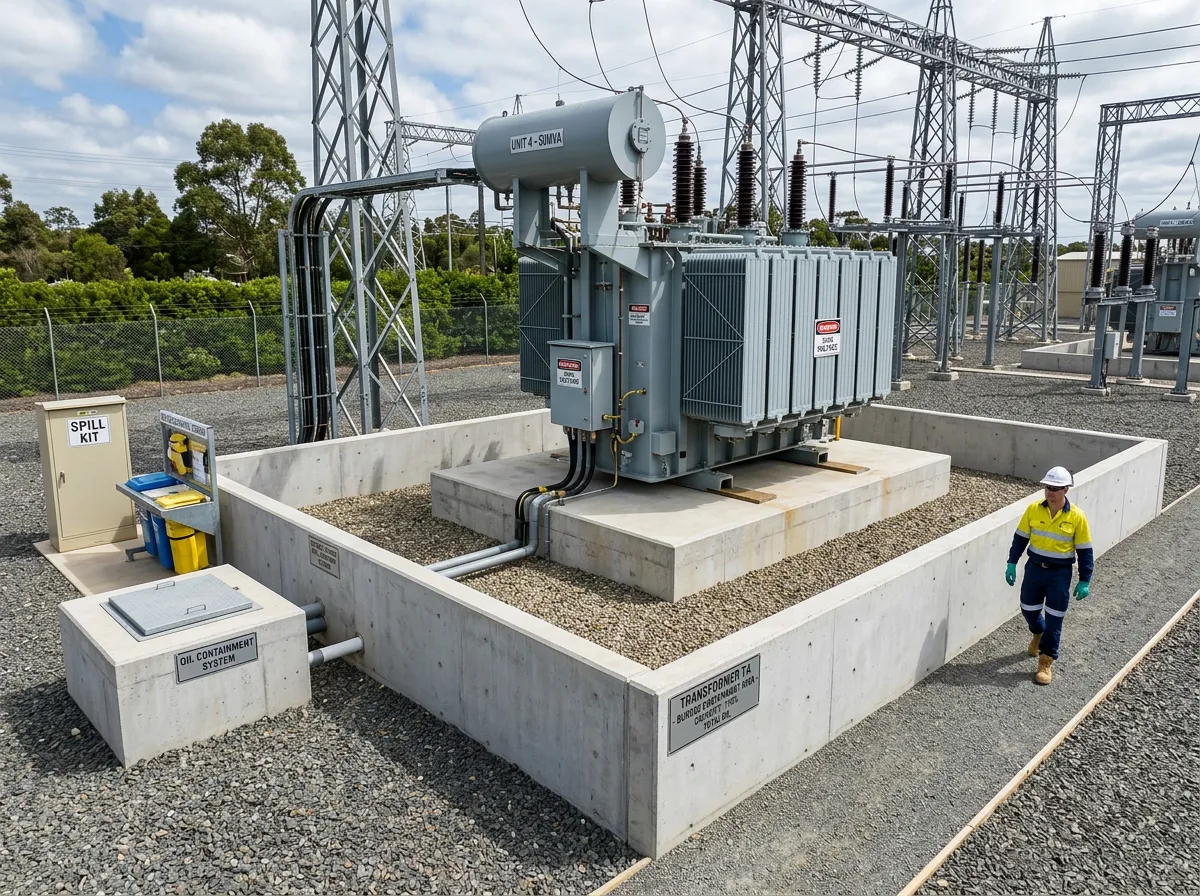
Risk & Business Continuity
Structural survivability directly influences downtime duration and recovery feasibility.
Industrial operators evaluate risk in terms of:
- Production loss
- Downtime cost
- Supply chain impact
- Contractual obligations
- Workforce safety
Structural protection enhances:
- Asset survivability
- Controlled fault outcomes
- Predictable recovery
- Risk defensibility
Resilience reduces catastrophic impact on production continuity.
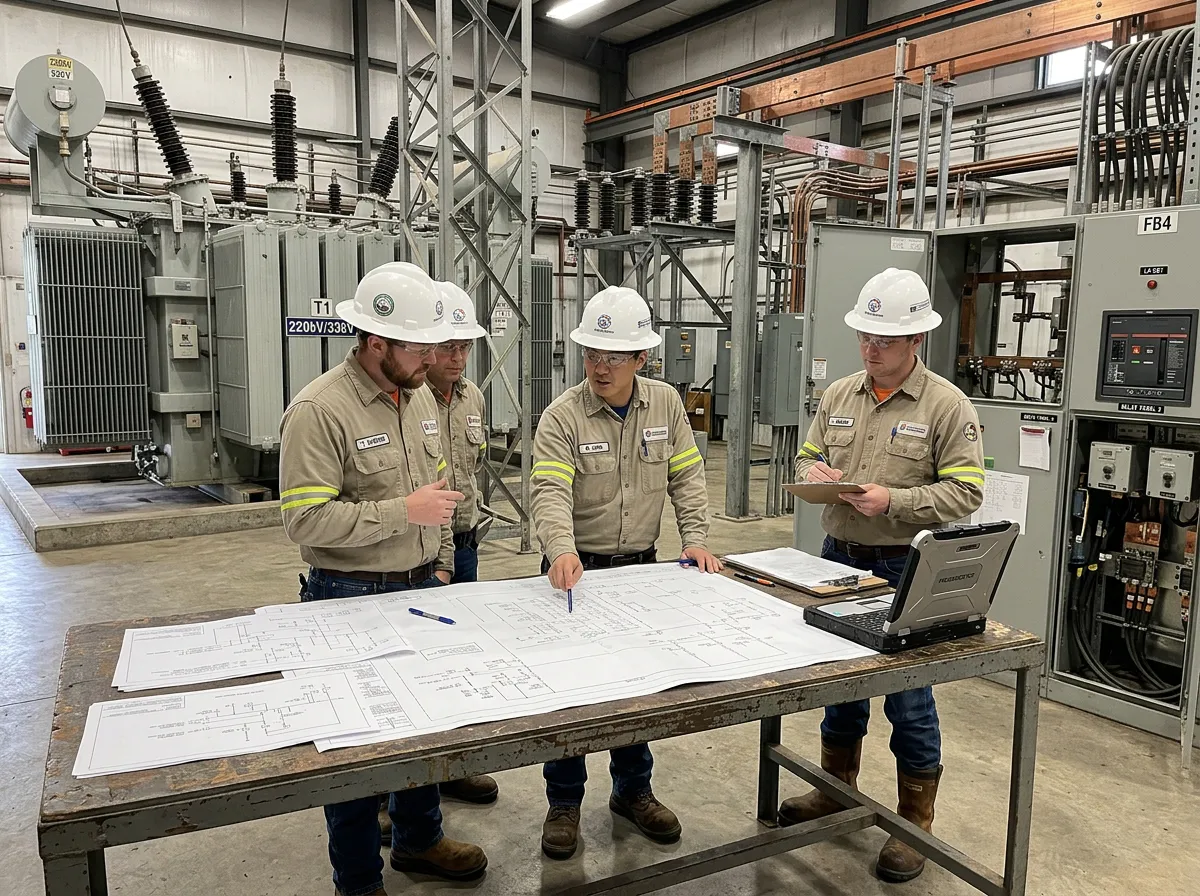
Who TPC Supports
TPC supports:
- Industrial asset owners
- Engineering & maintenance teams
- EPC contractors delivering plant upgrades
- Corporate risk management teams
Engineering integration is structured to align with plant safety procedures and operational standards.

Request Engineering Discussion
Every industrial facility presents unique structural considerations.
Contact TPC to evaluate:
- Transformer exposure
- Retrofit feasibility
- Integration strategy
- Risk mitigation alignment