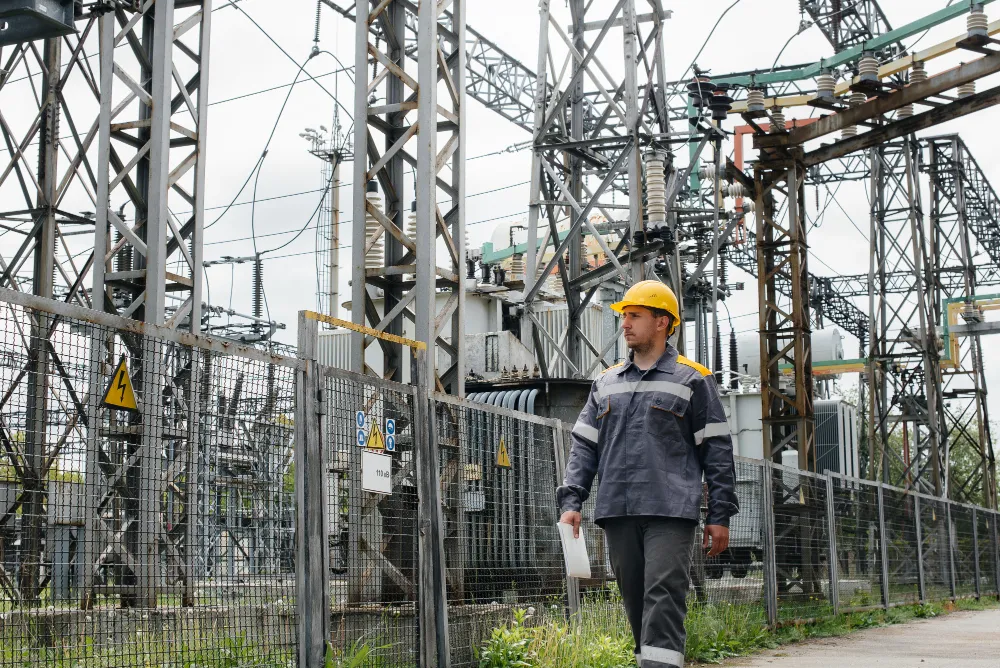

A complete structural protection system engineered to preserve transformer tank integrity during high-energy internal fault events.
Proven Performance
80+
Full-Scale Internal Arc Tests
Live Destructive Testing
Validation Protocol
0.15 MVA – 1,200 MVA
Protection Range
20+ Years
Field Deployment
85+ Countries
Global Installations
The Engineering Role
Designed to control pressure before structural failure occurs.
The Transformer Protector is a full-architecture mechanical transformer explosion prevention system engineered to preserve structural integrity during internal arc events.
Catastrophic transformer explosions are not electrical failures — they are uncontrolled structural escalation events.
When an internal arc occurs:
- Rapid gas generation produces dynamic pressure
- Static overpressure may exceed tank withstand limits
- Structural rupture and oil release may follow
The Transformer Protector is engineered to intervene during the dynamic phase, before structural limits are exceeded.
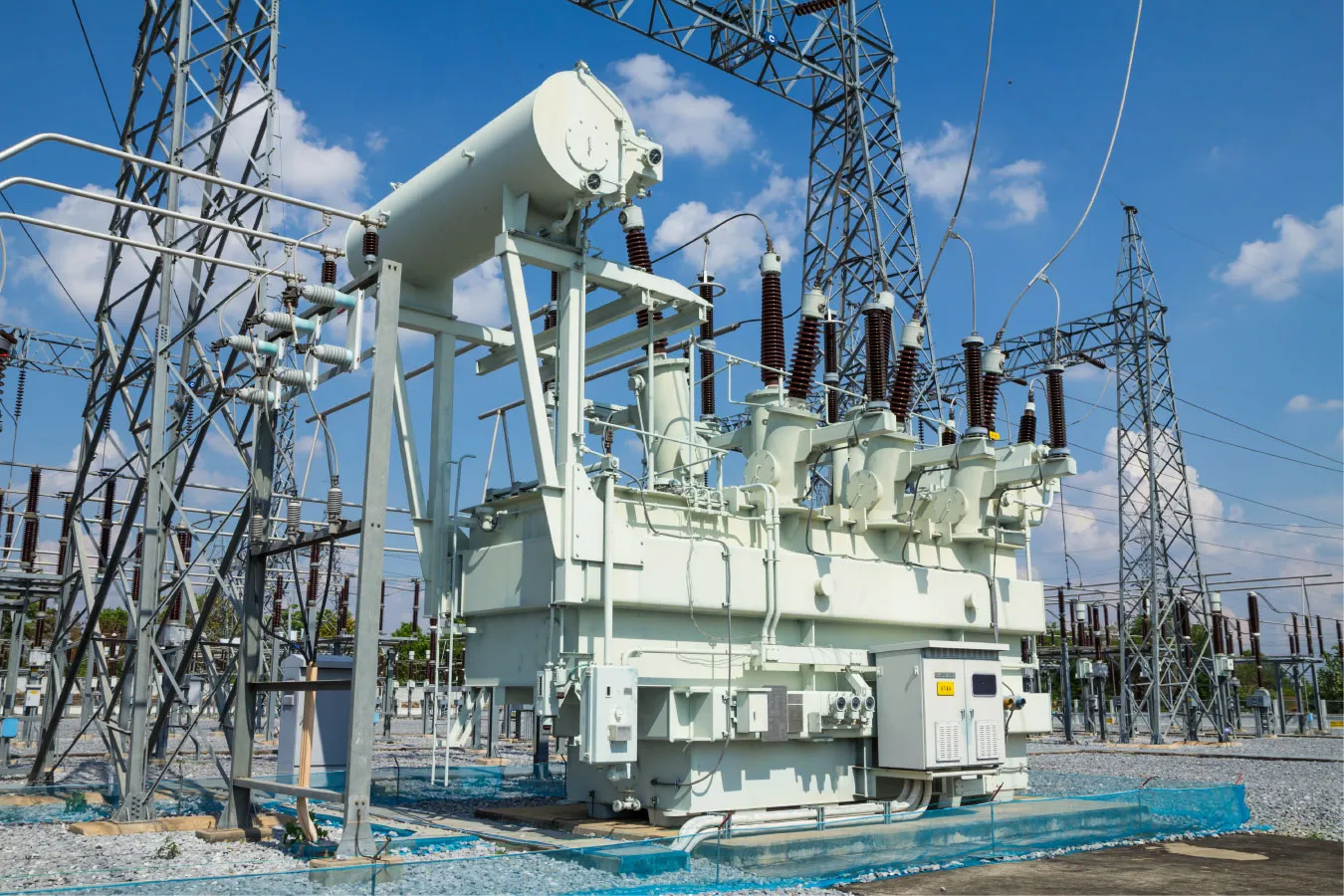
How It Works
Passive Mechanical Activation.
Activation occurs within the first milliseconds following dynamic pressure rise
The Transformer Protector operates independently of electronic control systems.
Its activation is triggered by the first dynamic pressure peak generated during an internal arc event.
Upon activation, the system:
- Opens a large venting path
- Relieves internal pressure within milliseconds
- Prevents destructive static overpressure buildup
- Preserves tank structural integrity
Operation does not depend on relay signals, software, or external power.
- No sensors. No logic. No external energy source.
- Pure mechanical response to physical escalation.
System Architecture
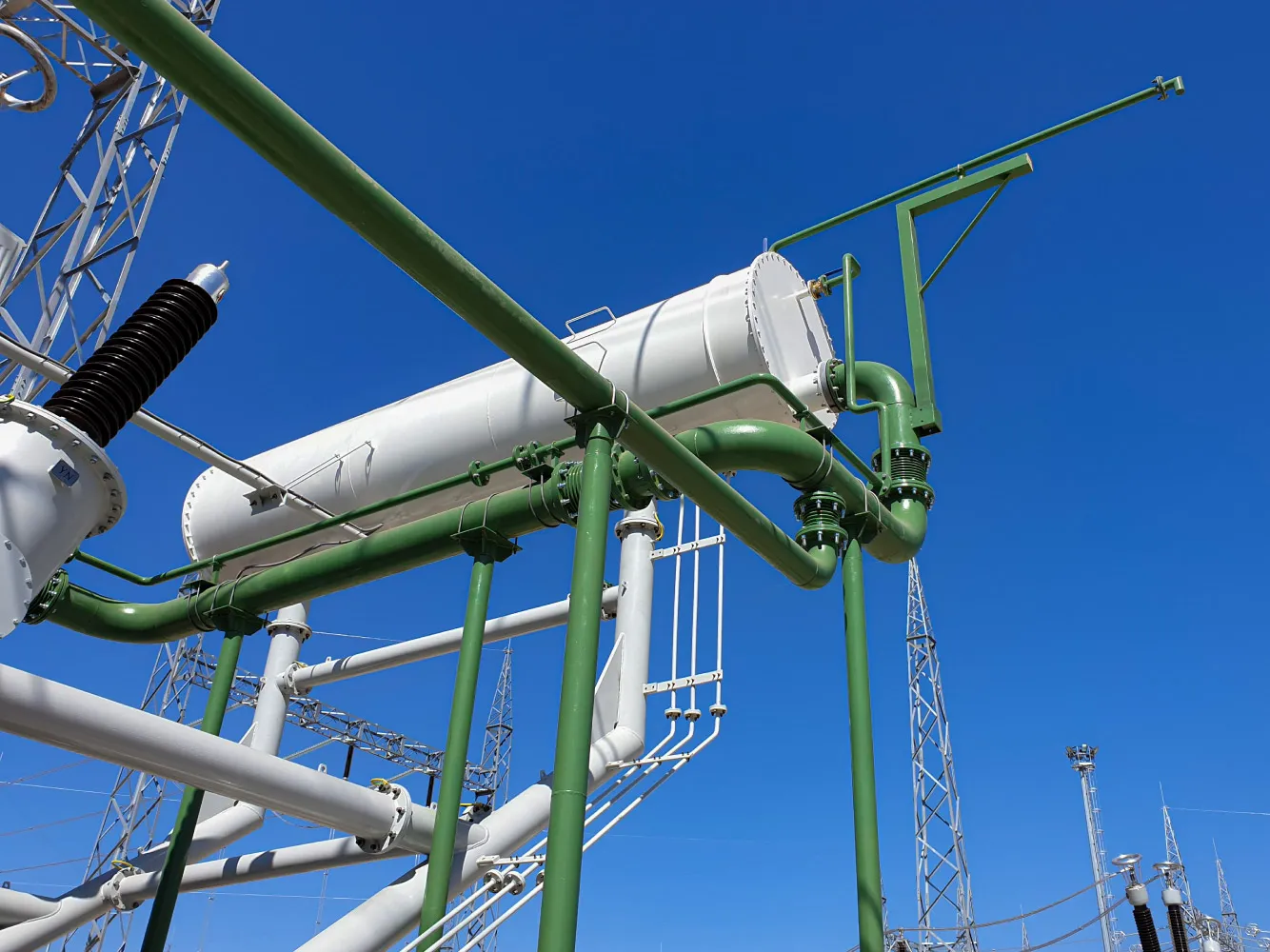
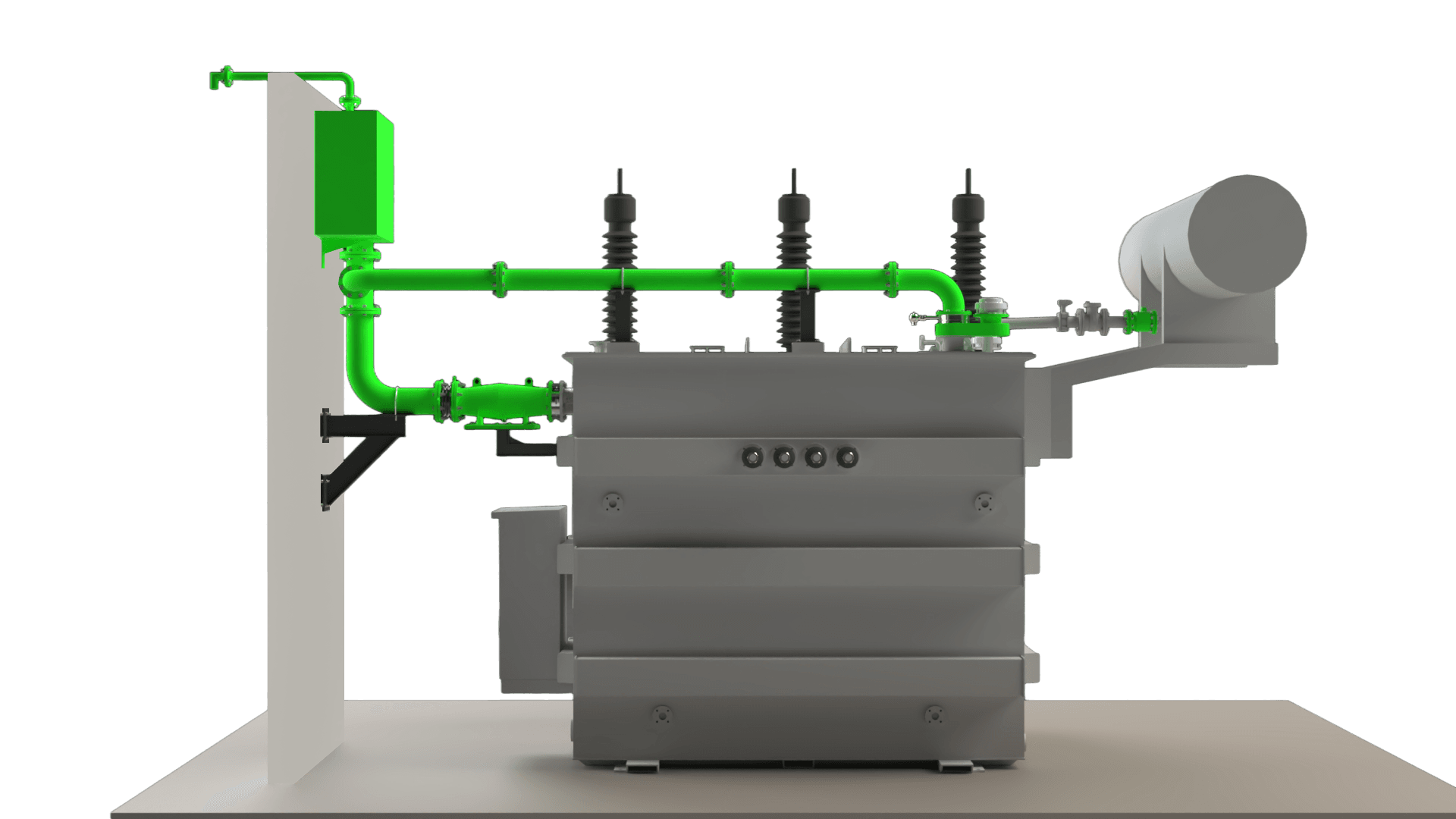
The Transformer Protector is engineered as a complete structural mitigation system.
It integrates:
- Dynamic pressure sensing mechanism
- High-speed mechanical opening device
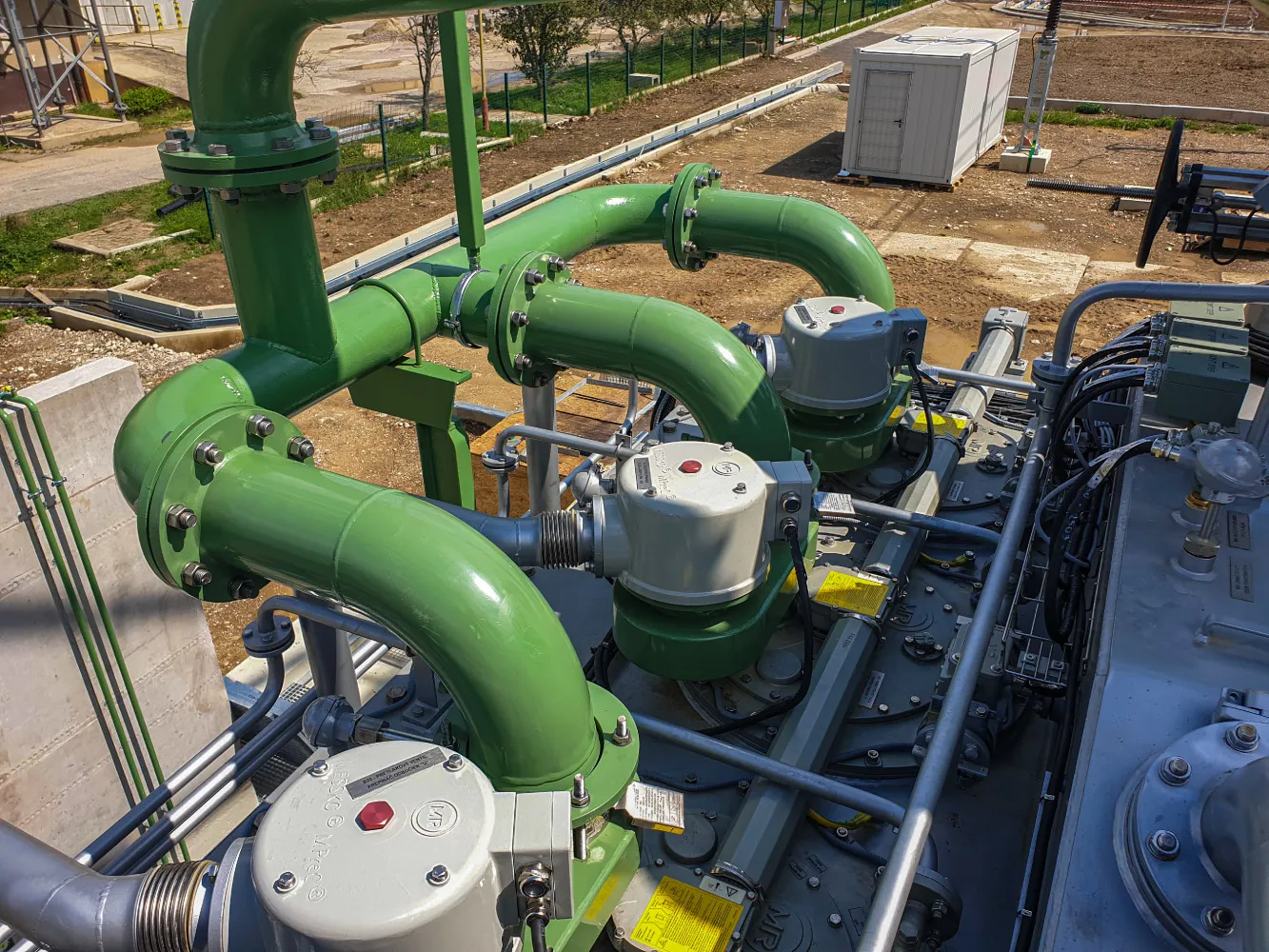
- Venting channel architecture
- Oil and gas management components
The system is designed to operate as a unified architecture rather than as an isolated component.
Integration is transformer-specific and engineered based on tank configuration and site conditions.
The TP is engineered as a unified structural mitigation architecture — not as an add-on component.
Typical High-Risk Transformer Applications
The Transformer Protector is typically applied to:
- Main transformer tanks
- Large oil-filled power transformers
- Critical transmission and generation assets
- Installations where structural survivability is essential
- High short-circuit current grid environments
It can be integrated into:
- New transformer projects
- Existing in-service transformers through retrofit engineering
System configuration is determined through project-specific engineering assessment.
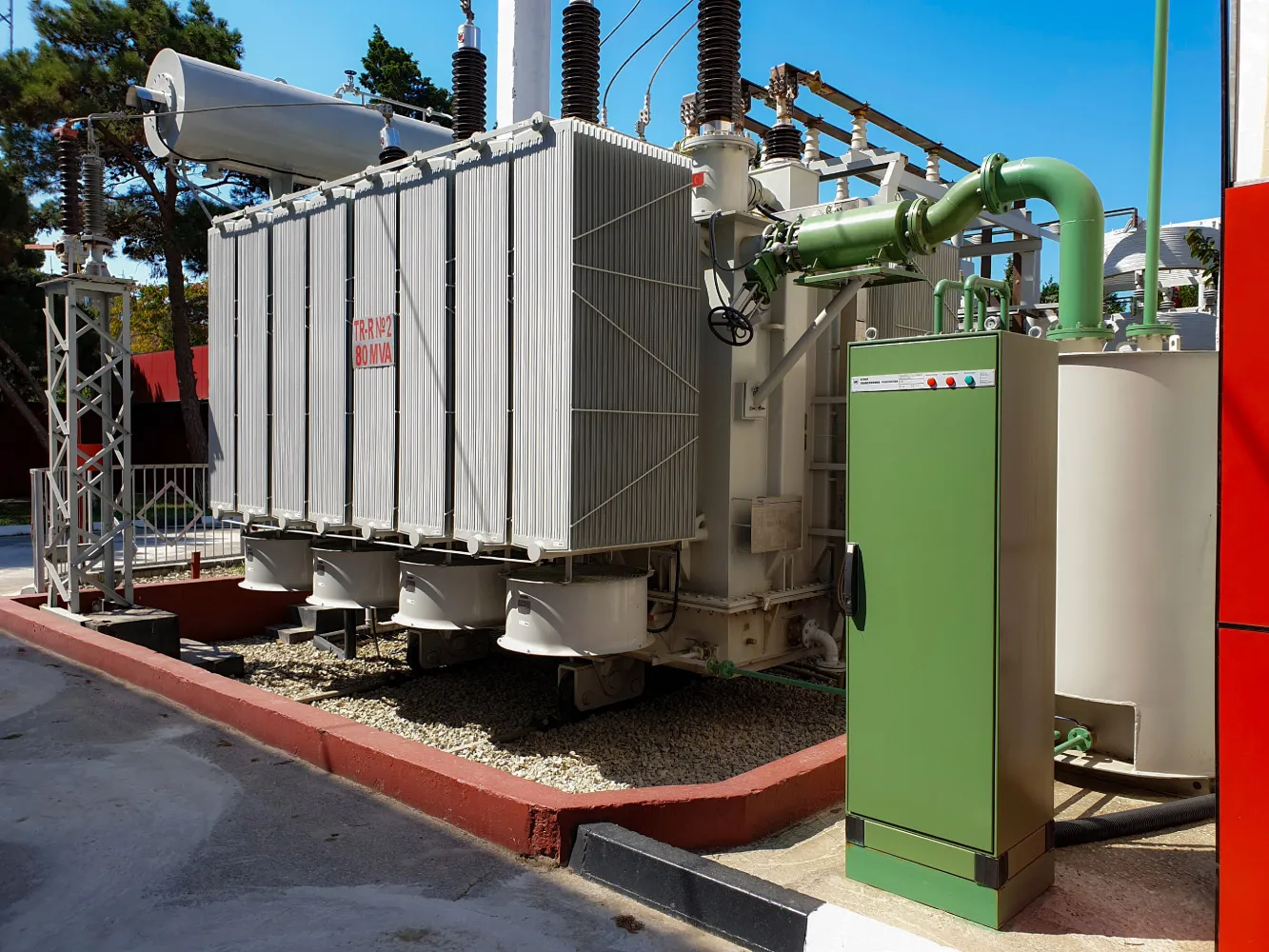
Retrofit & Integration
Retrofit integration includes:
- Technical documentation review
- Mechanical interface design
- Site-specific engineering validation
- Controlled installation and commissioning
Designed to minimize outage duration and integrate within standard utility maintenance windows.
The Transformer Protector does not require modification of electrical protection schemes and operates independently of relay logic.
Installation planning is structured to minimize operational disruption.
Engineered to align with:
- NFPA 850 fast depressurization principles
- IEEE internal arc research findings
- Utility insurability and MFL considerations
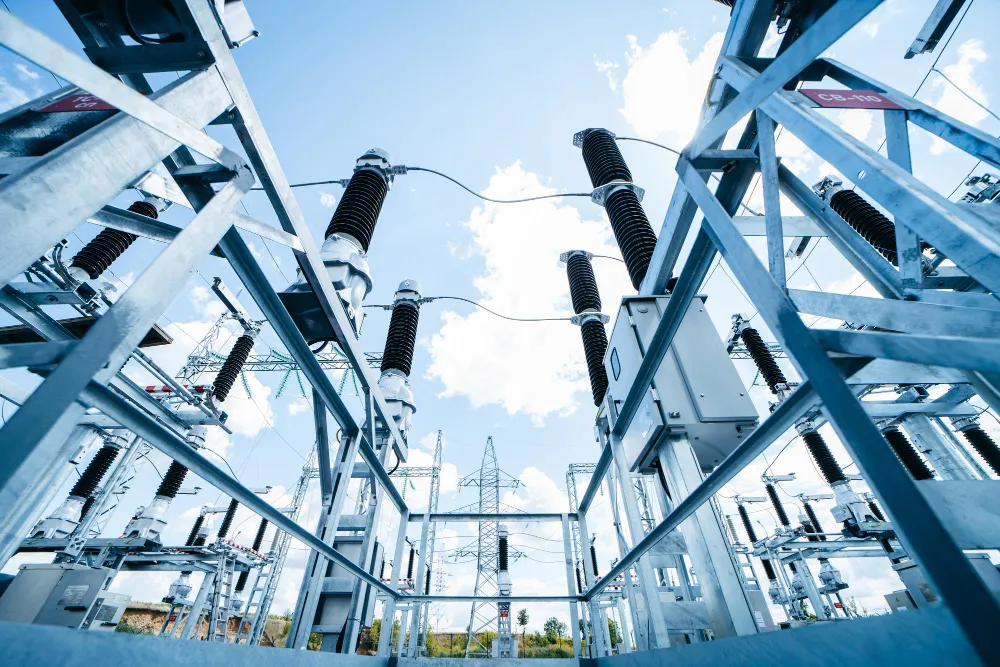
Why Mechanical Explosion Prevention Cannot Be Substituted
- Structural reinforcement does not control dynamic pressure
- Electrical protection operates after escalation
- Fire suppression acts after rupture

Engineering Validation
Deployment of the Transformer Protector is supported by:
- Full-scale internal arc testing
- Pressure-time performance validation
- CFD and fluid–structure interaction modelling
- Field activation experience
Engineering documentation can support technical review and risk evaluation where required by project stakeholders.

Resilience Impact
When properly engineered and integrated, the Transformer Protector:
- Preserves transformer tank integrity
- Reduces likelihood of catastrophic rupture
- Limits oil release and secondary damage
- Enhances asset recoverability
- Supports operational continuity
Structural survivability strengthens system resilience.

System Positioning
The Transformer Protector represents a complete structural mitigation architecture.
Where selective protection of auxiliary volumes is required, modular configurations such as HS2D may be considered based on project needs.
Engineering assessment determines the appropriate configuration.
Request Engineering Discussion
Transformer protection requirements depend on asset configuration and operational context.
Contact TPC to evaluate:
- Structural exposure
- Integration feasibility
- Retrofit strategy
- Compliance alignment