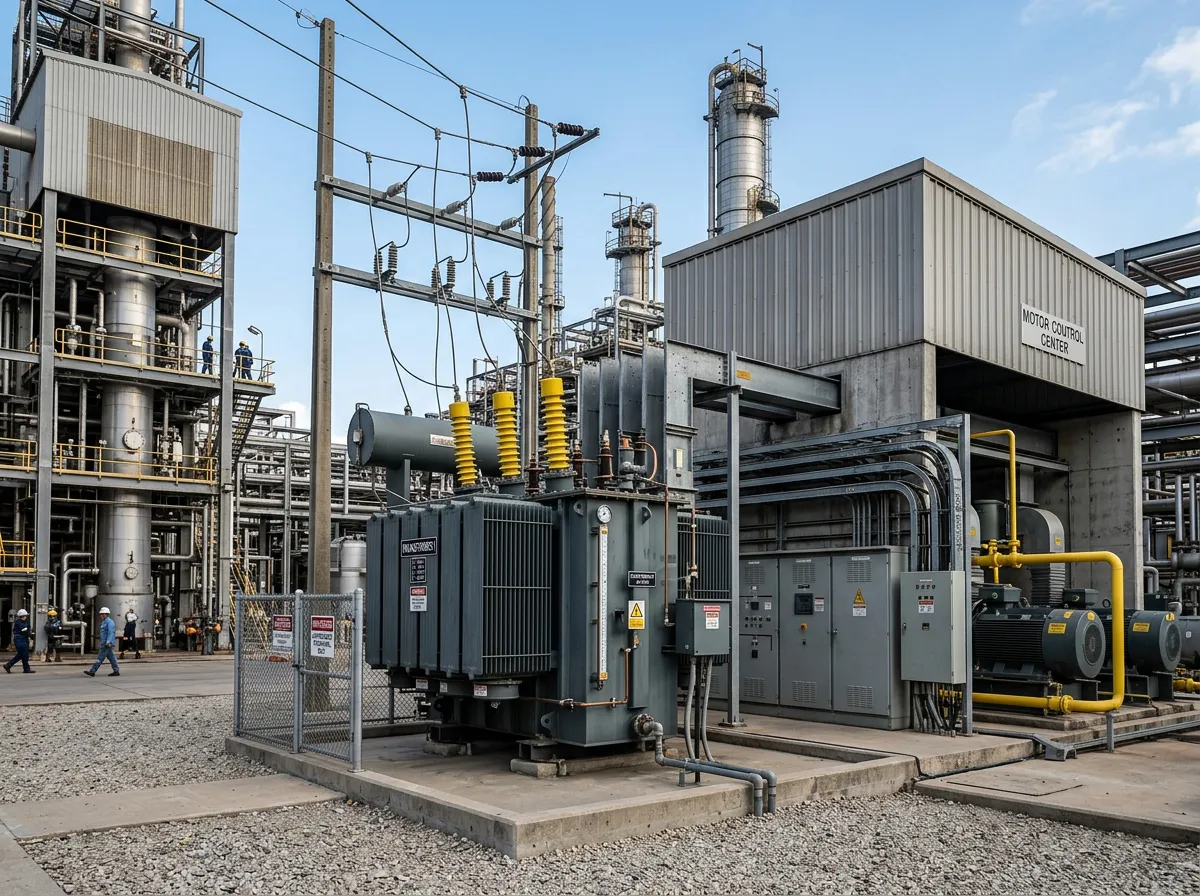

Transformer internal arc faults generate rapid gas formation and dynamic pressure rise inside the transformer tank. While electrical protection systems are designed to detect and isolate faults, they are not engineered to control the mechanical consequences that occur within milliseconds of arc initiation.
Structural survivability is governed by time-scale physics.
The critical phase occurs before traditional protection systems fully isolate the event. During this dynamic pressure window, internal forces can exceed the mechanical design limits of the transformer tank. If structural rupture occurs, consequences may include:
Oil release and fire propagation
Escalation to adjacent assets
Extended outage duration
Environmental exposure
Complicated recovery sequences
Electrical isolation reduces fault duration.
It does not mitigate instantaneous structural pressure escalation.
Mechanical mitigation systems must therefore be engineered to:
Detect the initial dynamic pressure peak
Activate within millisecond timeframes
Provide controlled depressurization paths
Preserve tank structural integrity
Structural explosion prevention is not a hardware accessory.
It is an engineered intervention designed specifically for the dynamic pressure phase of internal arc events.
In high-consequence environments, survivability depends on acting within the correct time scale — not merely detecting the fault.