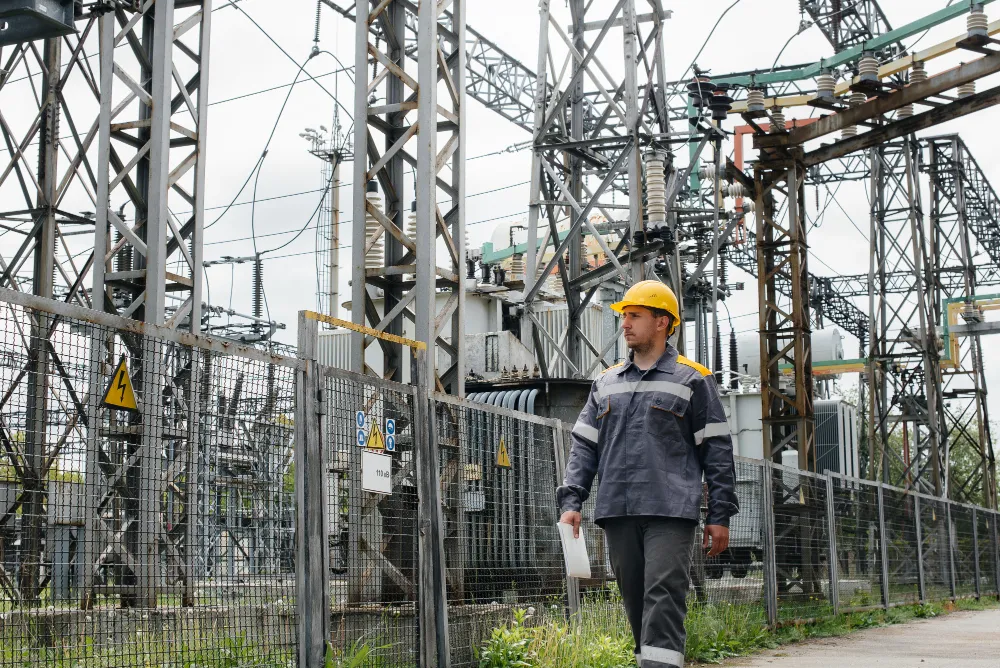

Engineering solutions designed to preserve transformer integrity, protect redundant power architecture, and maintain operational continuity in mission-critical environments.
The Mission-Critical Context
In mission-critical data centers, downtime is systemic — structural survivability preserves redundancy.
In data centers, downtime is systemic.
Data centers are designed around redundancy, uptime targets, and strict service-level agreements.
However, large oil-filled transformers supplying medium- and high-voltage distribution remain physical assets subject to internal fault risks.
When structural rupture occurs due to internal arcing:
- Oil release may trigger fire suppression systems
- Adjacent electrical infrastructure may be damaged
- Redundant feeds may be simultaneously compromised
- Extended outage may exceed failover assumptions
- Contractual and reputational exposure may increase
Redundancy manages availability.
Structural survivability preserves redundancy.
Why Structural Integrity Matters
Redundancy assumes survivable assets.
Mechanical protection preserves that assumption.
Electrical isolation occurs after fault detection.
It does not prevent millisecond-scale pressure escalation.
If tank rupture occurs:
- Debris and oil may impact nearby equipment
- Cable galleries and bus systems may be affected
- Safety-driven shutdown procedures may initiate
- Recovery time may extend beyond acceptable MTTR thresholds
Engineering-based structural protection mitigates catastrophic escalation at its source.
Protecting Redundancy
Data center resilience relies on:
- A/B feed separation
- N+1 or N+2 architecture
- Physical compartmentalization
Structural rupture in one transformer can physically compromise adjacent redundant infrastructure if not mitigated.
Structural protection:
- Preserves tank integrity
- Reduces collateral damage
- Limits fire propagation
- Maintains functional redundancy
Resilience engineering ensures redundancy remains usable after a fault event.
New Facility Integration
For new data center campuses, structural resilience can be integrated during:
- Utility interface planning
- Substation layout design
- Power distribution architecture
- Risk and compliance review
Early integration reduces long-term exposure and aligns with corporate resilience objectives.
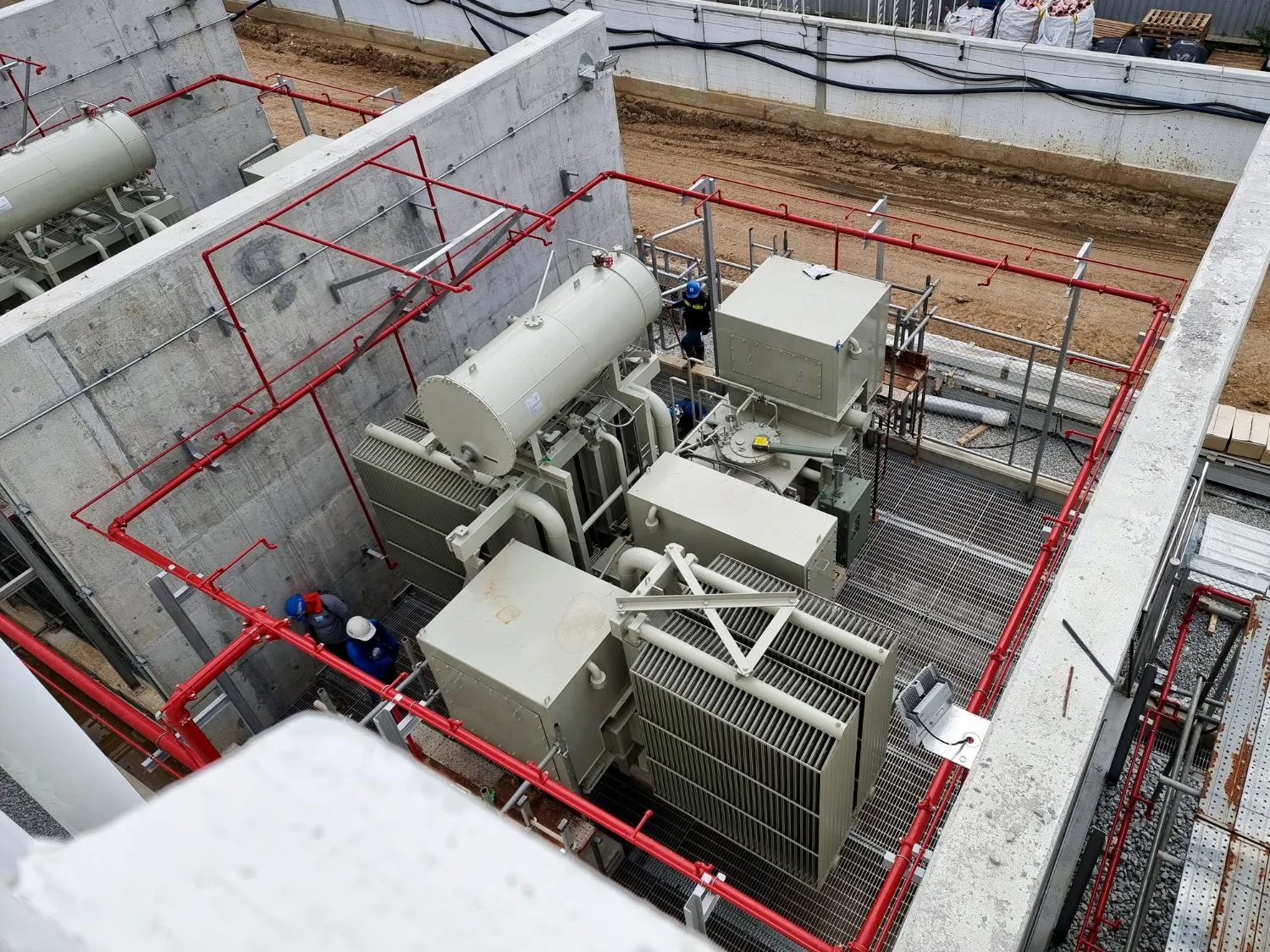
Retrofit For Operating Facilities
Existing data centers may operate transformers installed prior to current resilience standards.
Retrofit structural protection engineering enables:
- Risk mitigation without altering relay coordination
- Integration during scheduled maintenance windows
- Enhancement of survivability without full asset replacement
Engineering discipline ensures compatibility with operational uptime requirements.
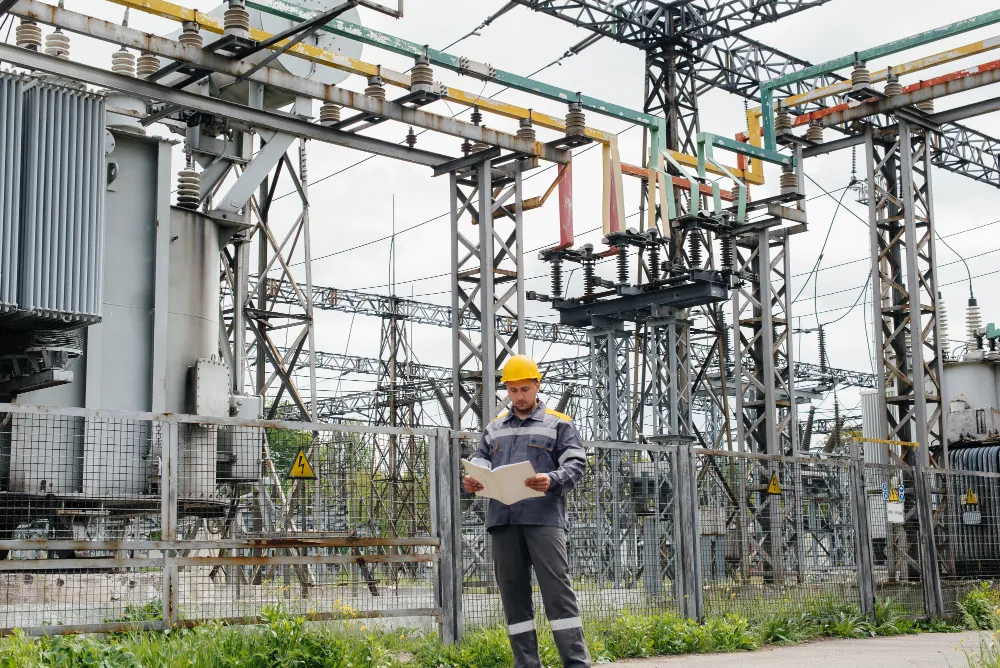
SLS & Risk Perspective
Data center operators evaluate risk in terms of:
- MTTR (Mean Time to Recovery)
- SLA penalties
- Customer retention
- Reputation
- Regulatory compliance
Structural resilience reduces the severity of a fault event, increasing the likelihood of controlled recovery rather than catastrophic loss.
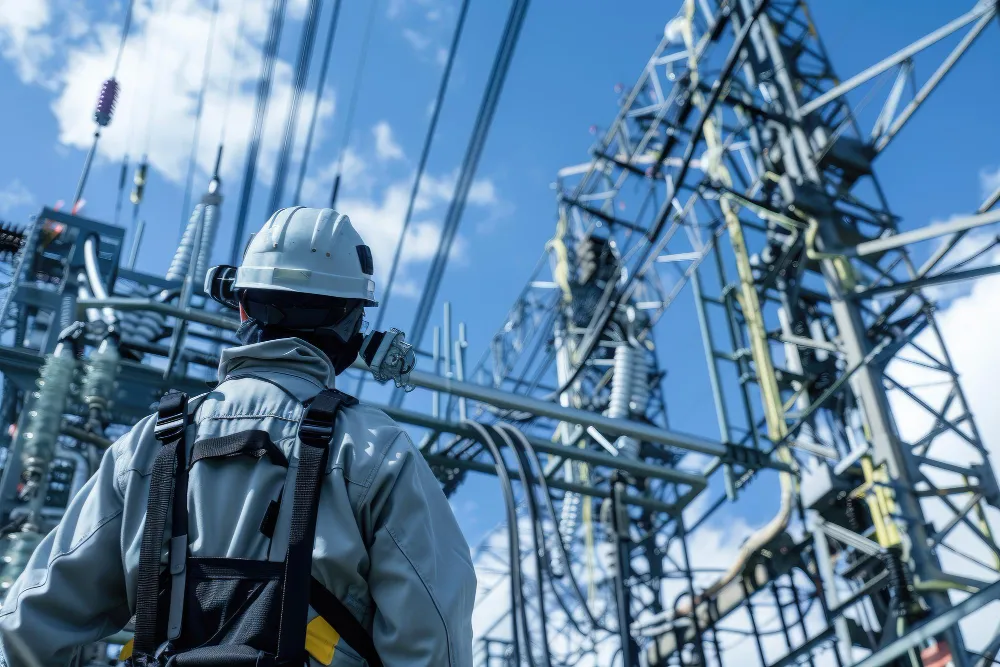
Environmental & Safety Considerations
In urban or indoor data center environments:
- Oil release may create environmental exposure
- Fire propagation may impact enclosed infrastructure
- Remediation complexity may increase downtime
Preserving structural integrity reduces environmental and operational impact.
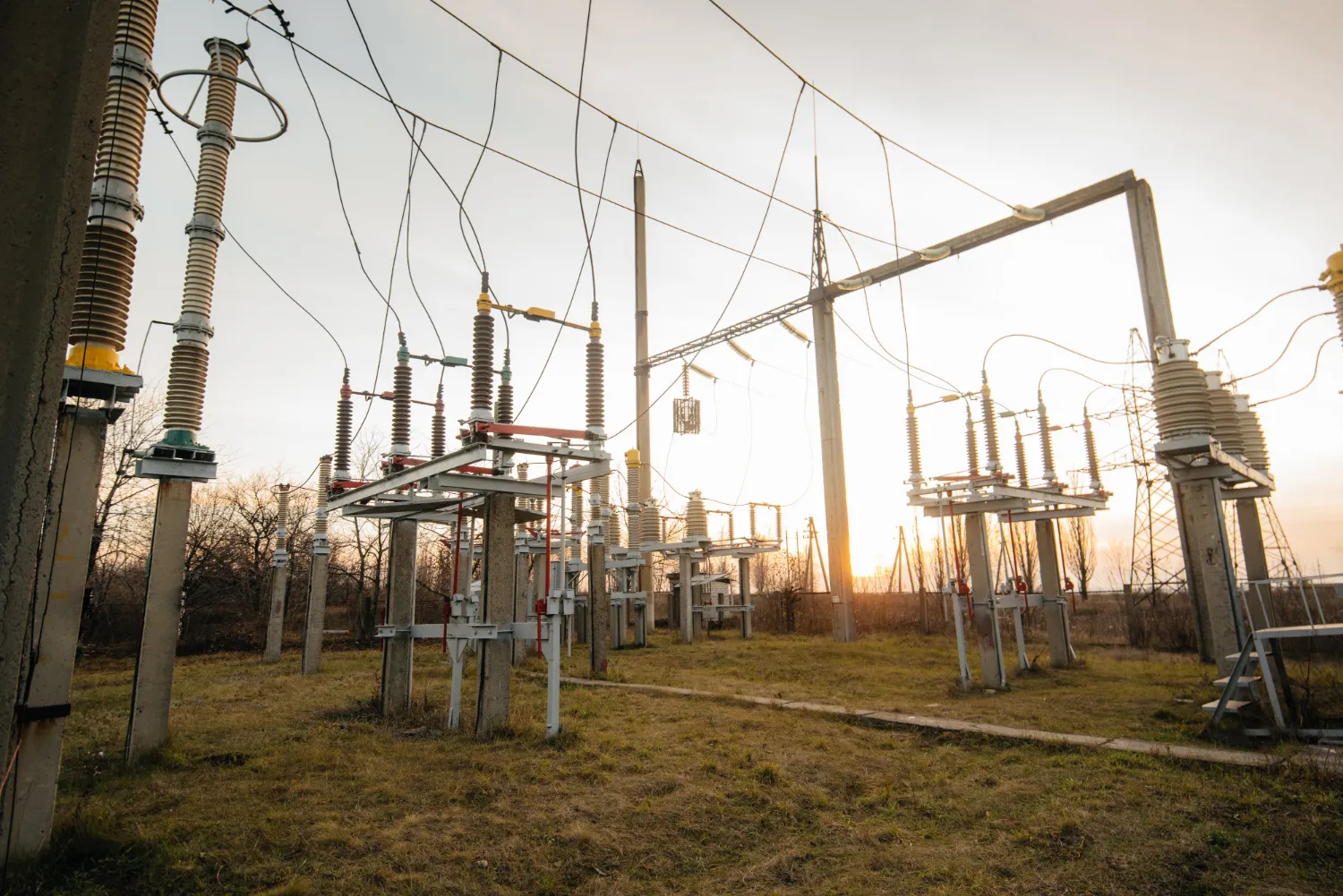
Who TPC Supports
TPC supports:
- Hyperscale operators
- Colocation providers
- Enterprise data center owners
- EPC contractors delivering campus projects
Engineering integration is structured to align with uptime requirements and operational discipline.
Request Engineering Discussion
Explosion prevention at the transformer level protects uptime, SLA performance, and reputation.
Every data center configuration presents unique structural considerations.
Contact TPC to evaluate:
- Transformer exposure
- Integration feasibility
- Retrofit strategy
- Risk alignment with uptime objectives