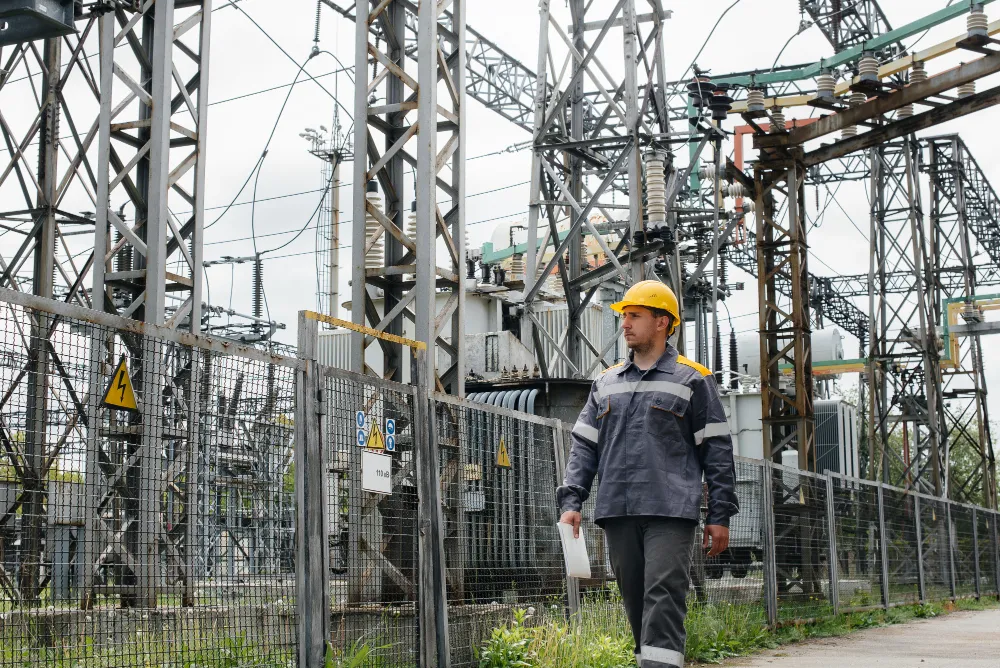

Engineered structural retrofit solutions designed to preserve transformer tank integrity, prevent catastrophic rupture, and maintain operational continuity in existing power assets.
Our Retrofit Approach
Mechanical explosion prevention can be engineered into existing transformers without altering protection logic.
No Active-Part Dismantling
No Modification of Protection Schemes
No Extended Outage Windows
Retrofit integration is engineered to intervene within the dynamic pressure window — without altering existing electrical protection logic.
TPC retrofit explosion prevention systems are engineered to:
- Integrate mechanical structural protection systems into existing transformer tanks
- Act within the dynamic pressure window
- Preserve tank integrity during high-energy internal fault events
- Maintain compatibility with existing electrical protection schemes
Each retrofit is designed based on:
- Transformer geometry
- Oil volume and configuration
- Auxiliary compartments (OLTC, bushings)
- Site layout constraints
- Applicable regulatory framework
Retrofit is not a hardware addition.
It is a transformer-specific structural engineering intervention.
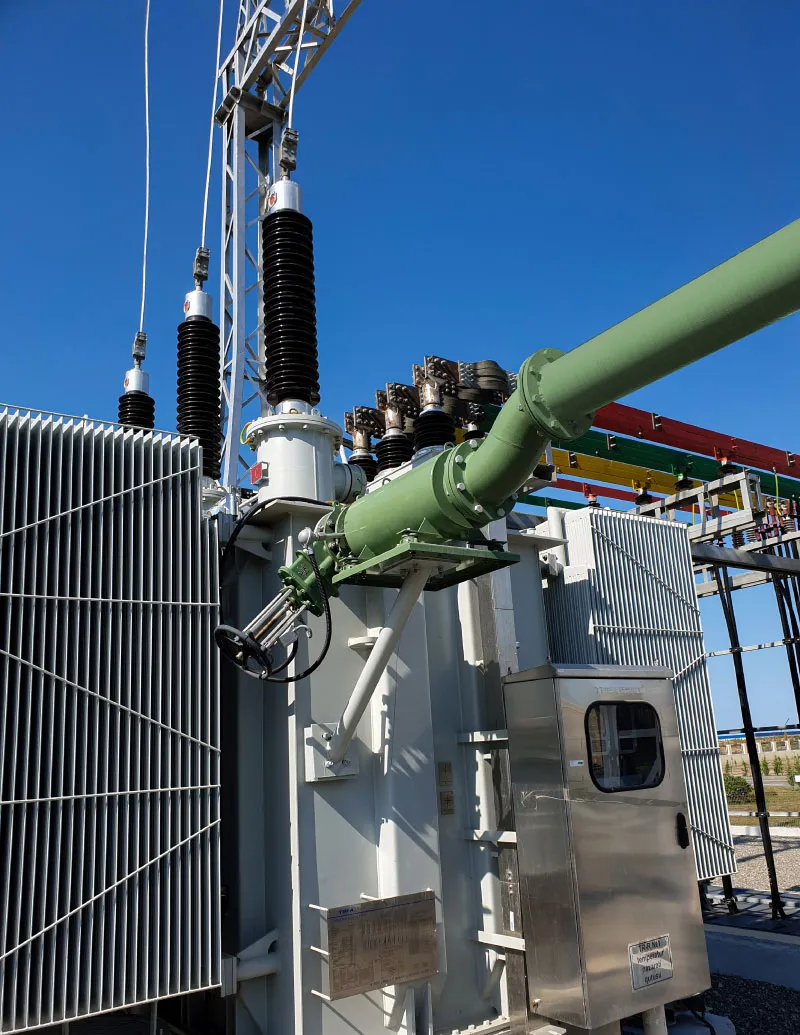
Structured Engineering Assessment for In-Service Transformers
Every retrofit project begins with structured engineering assessment.
Typical process:
- Technical review of transformer design documentation
- On-site mechanical and spatial evaluation
- Pressure-risk assessment
- Interface design and engineering validation
- Installation planning with outage minimization strategy
The objective is to prevent structural escalation without compromising grid stability or operational continuity.
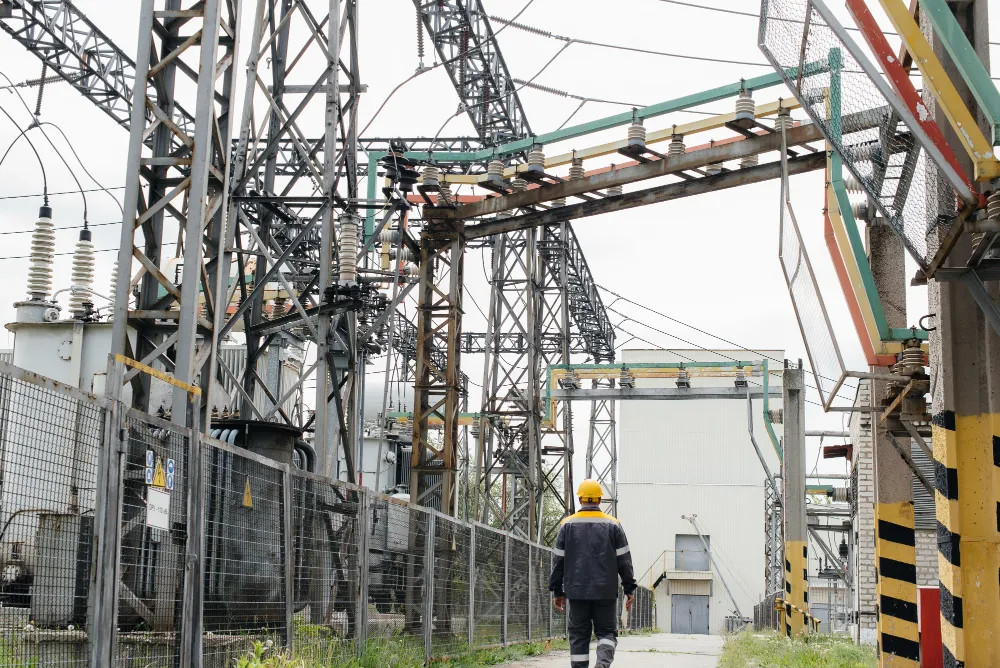
Engineering Discipline
Mechanical explosion prevention retrofit requires disciplined structural engineering execution.
Retrofit resilience requires:
- Mechanical interface engineering
- Pressure modelling and validation
- Installation sequencing strategy
- Functional testing and commissioning
- Documentation aligned with regulatory and insurance requirements
Engineering documentation can be integrated into project-specific design basis documentation when required.
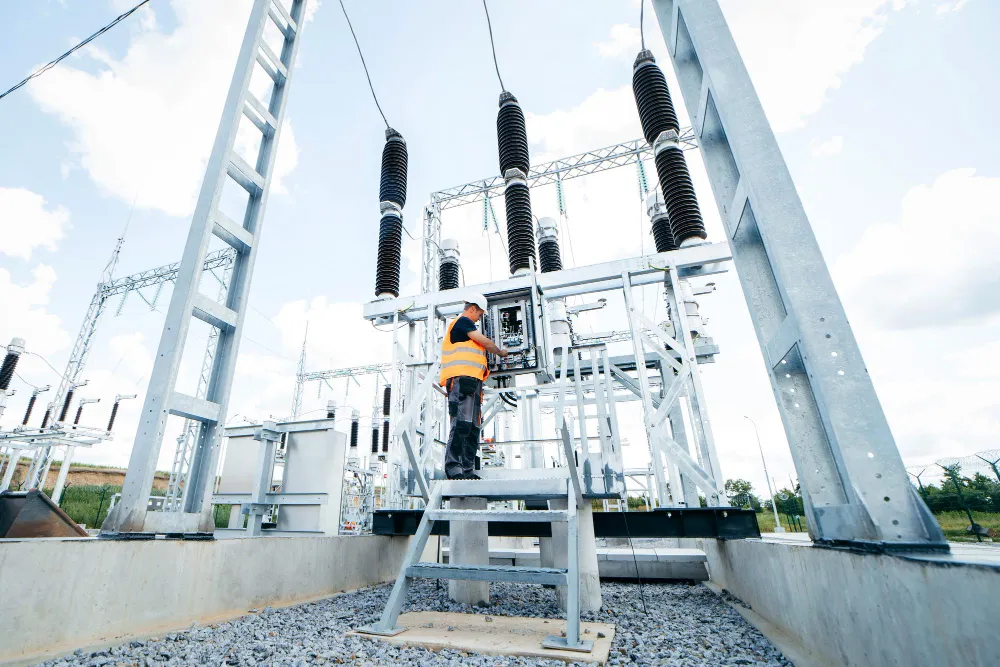
Resilience Impact
Retrofitting structural protection enhances:
- Transformer tank survivability
- Asset recoverability after internal fault
- Operational continuity
- Environmental containment
- Insurance defensibility
Resilience is strengthened not by adding redundancy alone,
but by preventing catastrophic structural escalation.
Structural intervention during the first milliseconds determines survivability

When To Consider Retrofit
Retrofit resilience is particularly relevant when:
- Transformers are critical and irreplaceable in the short term
- Sites are located in urban or environmentally sensitive areas
- Replacement lead times exceed acceptable outage windows
- Insurance or regulatory reviews require risk mitigation demonstration
- Adjacent assets would be exposed in case of rupture
Engineering intervention before catastrophic failure is a governance decision.

Request Engineering Discussion
Structural mitigation in operating assets is an engineering decision, not a hardware upgrade.
Retrofit feasibility depends on transformer configuration and operational context.
Contact TPC to evaluate:
- Structural risk exposure
- Integration constraints
- Downtime strategy
- Regulatory alignment