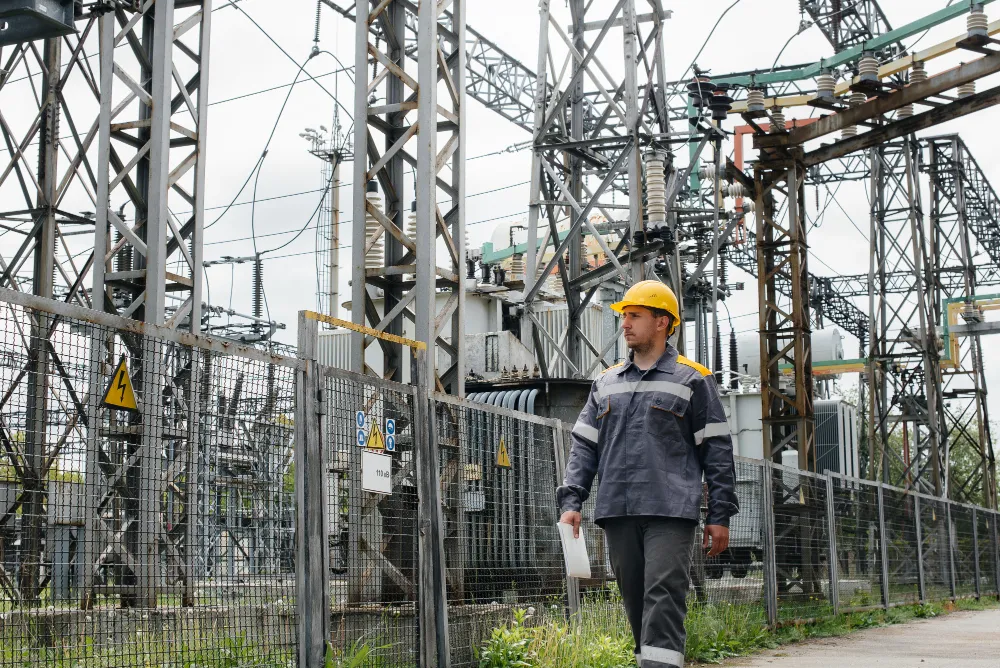

Engineering solutions designed to preserve transformer integrity, prevent catastrophic structural rupture, and enhance operational resilience across critical power infrastructure.
The Structural Challenge
Internal arcing faults inside oil-filled transformers generate rapid gas formation and millisecond-scale pressure escalation.
If pressure is not relieved during the dynamic phase:
- Tank rupture may occur
- Oil release and fire propagation may follow
- Adjacent assets may be compromised
- Extended outage and asset loss may result
Structural protection must address the pressure mechanism directly.
Protection Architecture
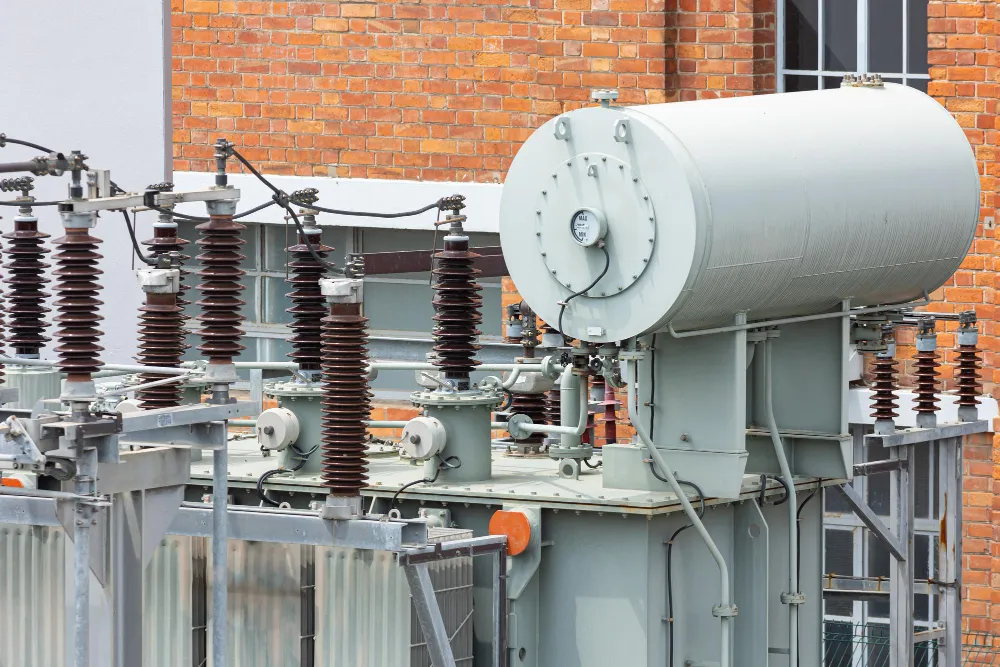
TPC structural protection systems are based on two engineered approaches:
Transformer Protector – Full-Architecture Mechanical Explosion Prevention System
Validated through live internal arc testing up to multi-MVA transformer configurations. The Transformer Protector is a complete structural protection system designed to:
- Detect the first dynamic pressure peak
- Activate mechanically within milliseconds
- Create a large venting path
- Relieve pressure before static overpressure exceeds structural limits
- Preserve main tank integrity
The TP system includes integrated pressure detection, venting, and oil/gas management components engineered as a unified architecture.
It is designed for comprehensive main tank structural protection.
High Speed Depressurization Device (HS2D)
The HS2D is a modular high-speed depressurization system engineered to:
- Act on the same dynamic pressure principle
- Protect specific transformer volumes
- Address localized pressure accumulation risks
The HS2D architecture is modular.
Engineered for compartment-specific pressure mitigation without altering electrical protection schemes. Core activation components can be configured with additional modules depending on project-specific requirements.
Typical applications include:
- OLTC compartments
- Bushing turrets
- Auxiliary oil-filled volumes
- Configurations requiring selective structural mitigation
HS2D enables flexible integration where full-system architecture may not be required.
System Configuration
Protection strategy depends on:
- Transformer design
- Volume segmentation
- Auxiliary compartments
- Site constraints
- Regulatory framework
- Risk tolerance
Engineering assessment determines whether:
- A complete Transformer Protector configuration is appropriate, or
- A modular HS2D configuration addresses specific structural exposure.
Each project is engineered accordingly.
Retrofit & New Integration
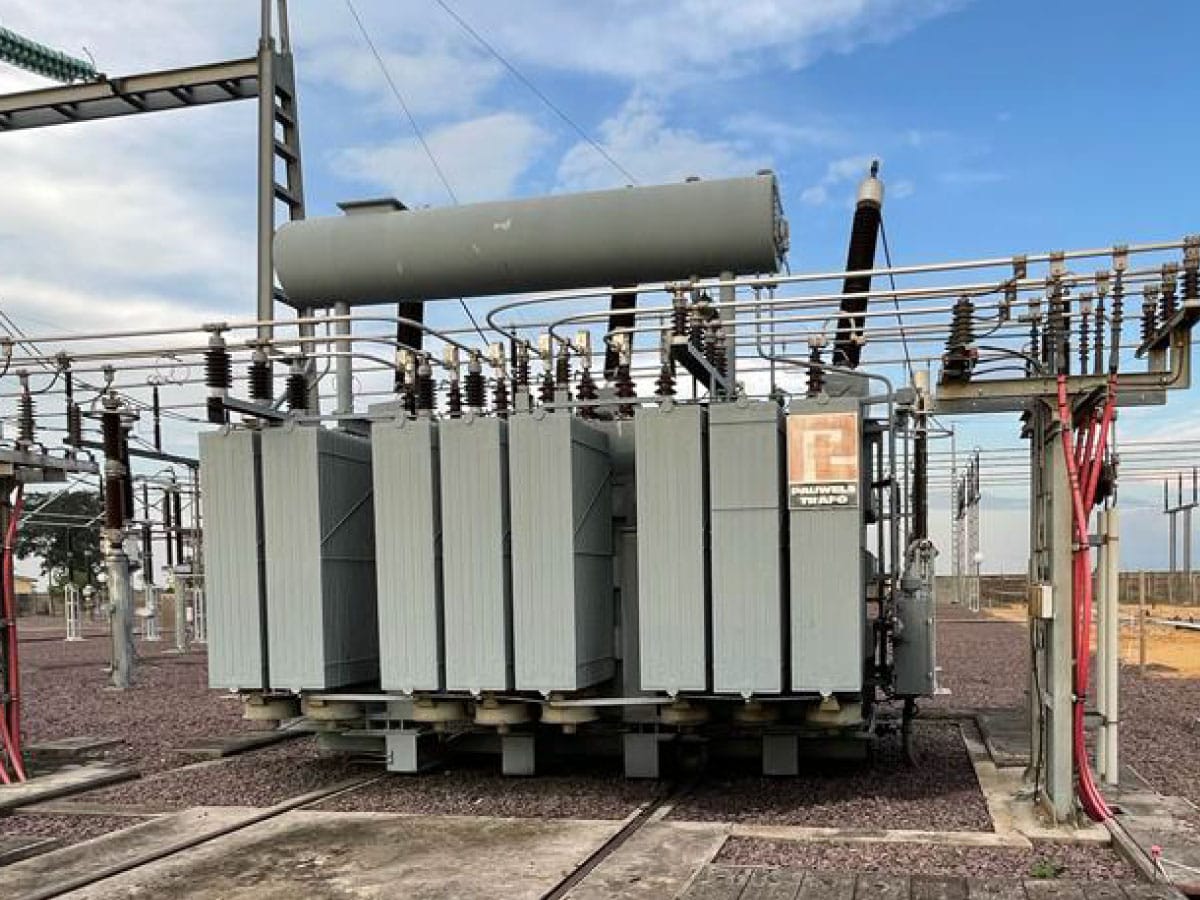
Both TP and HS2D systems can be:
- Integrated into new transformer specifications
- Retrofitted onto existing in-service transformers
- Installed without modification of electrical protection schemes
- Designed to minimize outage duration
Protection is mechanical and independent from relay logic.
Engineering Validation
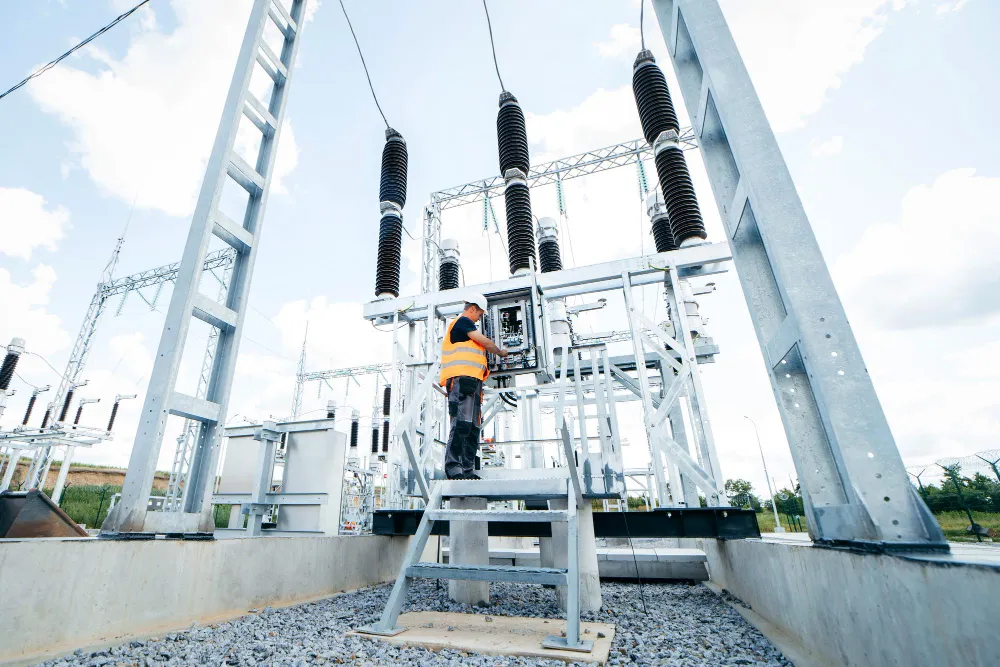
Structural protection solutions are supported by:
- 80+ documented full-scale internal arc tests
- Full-scale internal arc testing
- Pressure-time performance validation
- CFD and fluid–structure interaction modelling
- Field activation experience
Engineering documentation can support project-level review and regulatory alignment where required.
Resilience Impact
Properly engineered structural protection:
- Preserves tank integrity
- Reduces likelihood of catastrophic rupture
- Limits oil release and secondary damage
- Improves asset recoverability
- Supports continuity and risk governance
Resilience is achieved through structural survivability.

Request Engineering Discussion
Structural protection configuration depends on transformer architecture and operational context.
Contact TPC to evaluate:
- Main tank protection requirements
- Auxiliary volume exposure
- Retrofit feasibility
- Integration strategy
- Supports continuity and risk governance