

Protecting Critical Grid Infrastructure Across the Americas
TPC designs passive mechanical fast depressurization systems engineered to prevent catastrophic transformer tank rupture during internal arc events — validated through full-scale live testing and deployed across high-voltage power networks.
The Structural Risk
Transformer Explosion Is a Physical Escalation Event
High-voltage power transformers operate under extreme electrical and thermal stress while containing thousands of gallons of flammable insulating oil.
When an internal arc occurs:
- Oil vaporizes instantly
- Dynamic pressure rises within milliseconds
- Structural tank limits are exceeded
- Rupture, fire, and collateral damage may follow
Electrical protection systems isolate faults.
Fire systems manage consequences.
Neither prevents rapid internal pressure escalation.
Explosion prevention is a time-scale problem — not a detection problem.
Preserving transformer tank integrity during the first milliseconds of escalation is the only way to prevent catastrophic structural failure.
Engineering Principle
Physics-Based Mechanical Protection
TPC systems are engineered to act within the millisecond pressure window that defines structural survivability.
Our approach is based on:
- Passive mechanical activation independent of electronics
- Millisecond-scale dynamic pressure relief
- Full-scale internal arc validation
- CFD / FSI modeling calibrated against live destructive testing
- Transformer-specific integration engineering
This is not a monitoring solution.
It is not a fire suppression system.
It is a structural explosion prevention system.
Resilience is engineered — not improvised.

Two Decades of Engineering Leadership
Transformer Protector Corporation was founded in 2006 with a singular mission: prevent catastrophic transformer tank rupture through engineered mechanical protection systems.
For two decades, TPC has focused exclusively on structural transformer protection — developing, refining, and deploying systems designed to act within the millisecond pressure rise phase of internal arc faults.
Our experience is not theoretical. It is built on continuous engineering validation, field application, and infrastructure-level responsibility.
2006
Foundation
2012
International Expansion
2016
Engineering Advancement
2020
Regional Growth
2026
20-Year Milestone
Why Utilities Trust TPC
Engineered for North American Utility Standards
TPC is a U.S.-based engineering organization headquartered in Houston, Texas, supporting critical power infrastructure across North, Central, and South America.
We align with:
- U.S. utility safety frameworks
- NFPA 850 explosion prevention concepts
- IEEE transformer failure research
- Risk and insurability requirements
- Infrastructure resilience planning objectives
Our systems are:
- Manufactured under established industrial standards
- Designed for retrofit and new transformer projects
- Integrated without altering electrical protection schemes
- Supported by regional engineering and field deployment teams
TPC specializes exclusively in transformer structural explosion prevention engineering.
That focus defines our methodology, execution model, and technical depth.
Why Infrastructure Operators Trust TPC
U.S.-Based Engineering Leadership
Transformer Protector Corp is a U.S.-based engineering company headquartered in Houston, Texas.
Regional Deployment Capability
We support projects throughout North and Latin America with coordinated engineering and field integration.
Manufactured Under European Industrial Standards
Systems deployed by TPC are manufactured under established European engineering standards and integrated for projects across the Americas.
Focused Technical Expertise
TPC specializes exclusively in transformer structural protection and explosion mitigation engineering.
This focus defines our discipline, methodology, and execution model.
What We Protect
We protect asset integrity — not just equipment.
TPC engineering solutions are designed to:
- Preserve transformer tank structural integrity
- Prevent catastrophic pressure-driven rupture
- Limit oil release and fire propagation
- Maintain surrounding asset survivability
- Enable faster recovery and return to service
Preventing escalation preserves redundancy.
Preserving integrity protects continuity.
Our Resilience Approach
Physics-Based Mechanical Engineering
TPC designs and deploys passive mechanical systems engineered to act within the millisecond pressure window that defines structural survivability.
Our approach is based on:
- Mechanical activation independent of electronics
- Millisecond-scale pressure control
- Full-scale internal arc validation
- CFD / FSI modelling calibrated against live testing
- Transformer-specific integration engineering
Resilience is engineered — not improvised.
Solutions
Transformer Structural Protection Systems
- Main tank structural pressure mitigation
- Auxiliary volume protection
- Retrofit solutions for existing transformers
- Integration for new transformer projects
Engineering & Field Integration
- Site assessment and risk evaluation
- Mechanical interface design
- Installation and commissioning
- Ongoing technical support
Each project is engineered based on transformer configuration, operating conditions and regulatory framework.
Industries Served
TPC supports resilience engineering across:

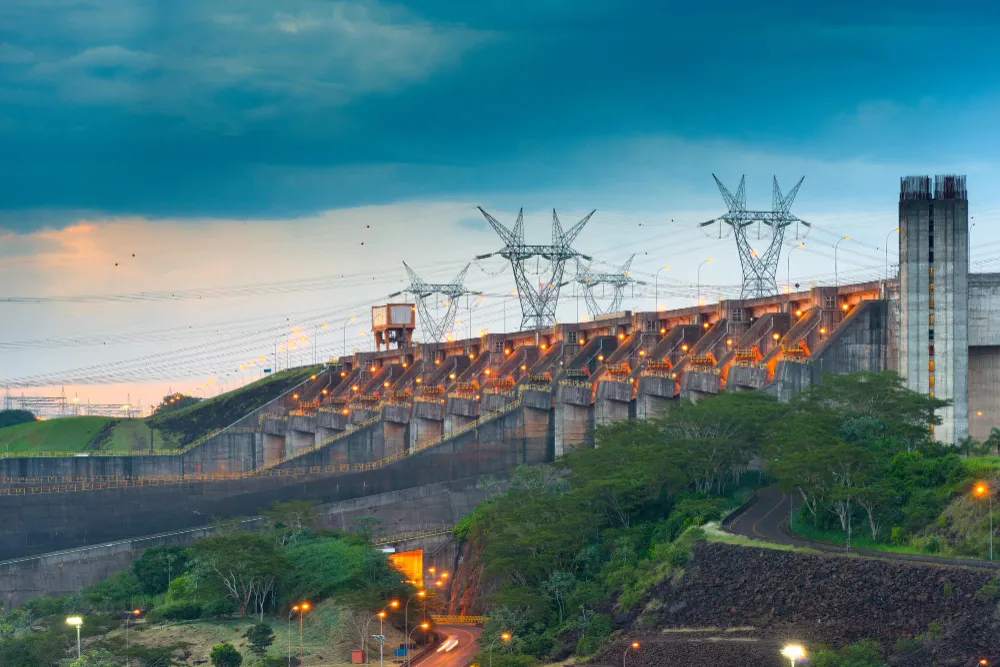
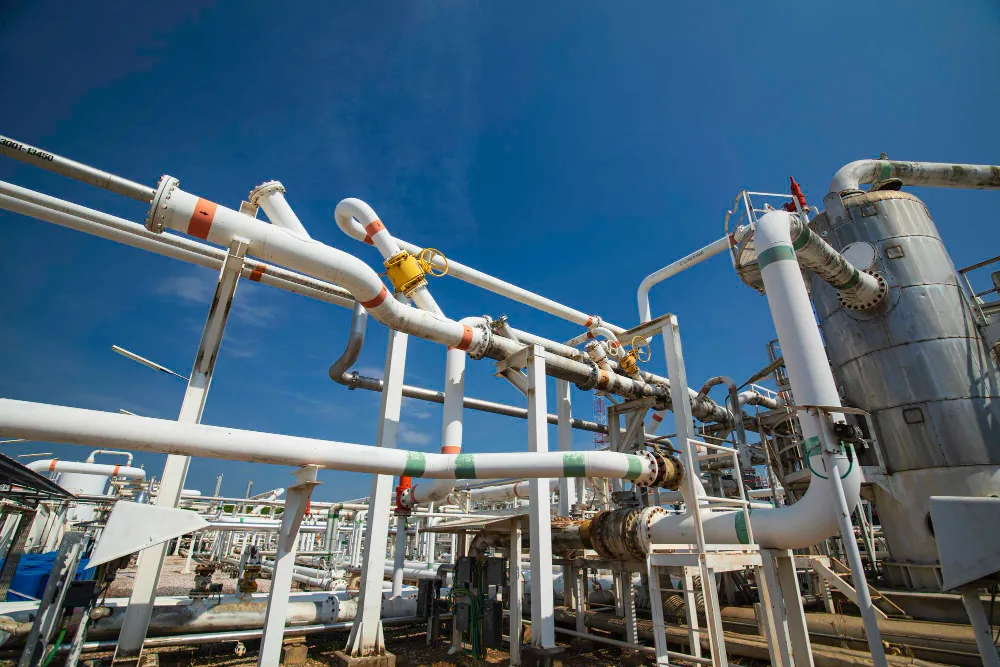


Projects are executed across the Americas, with engineering leadership based in Houston and regional deployment support in South America.
Governance & Risk Perspective
Transformer resilience is not solely a technical enhancement.
It is a governance decision.
Protecting structural integrity:
- Reduces maximum foreseeable loss
- Limits environmental impact
- Supports regulatory alignment
- Enhances insurance defensibility
- Preserves operational continuity
Engineering-based resilience transforms catastrophic exposure into controlled risk.
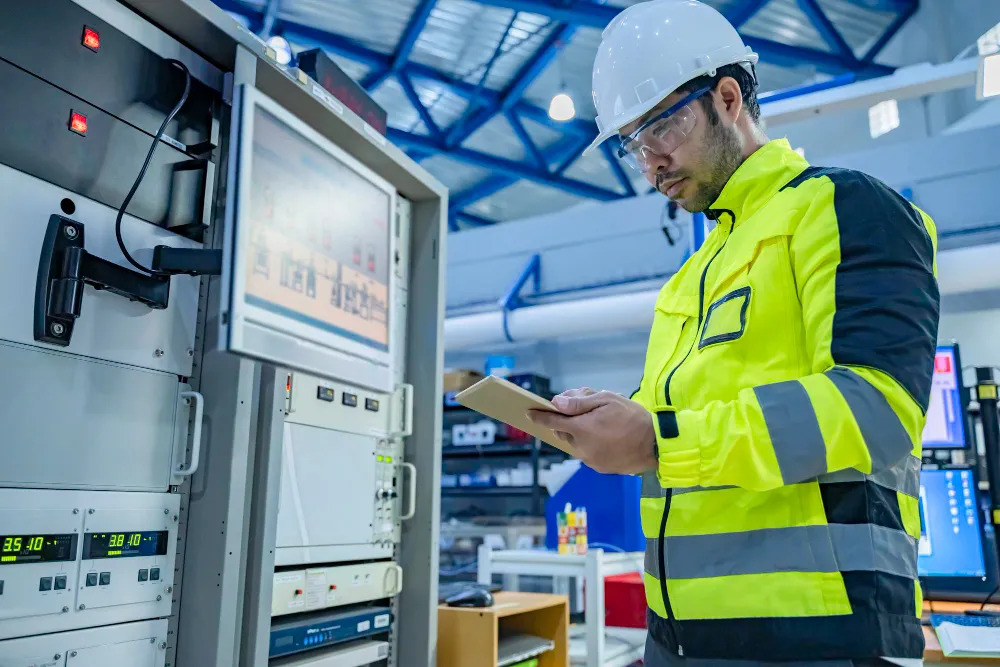
Request Engineering Discussion
Resilience decisions require structured engineering dialogue.
Contact our team to discuss:
- Existing transformer retrofit feasibility
- New transformer integration
- Risk mitigation alignment
- Regulatory framework considerations


