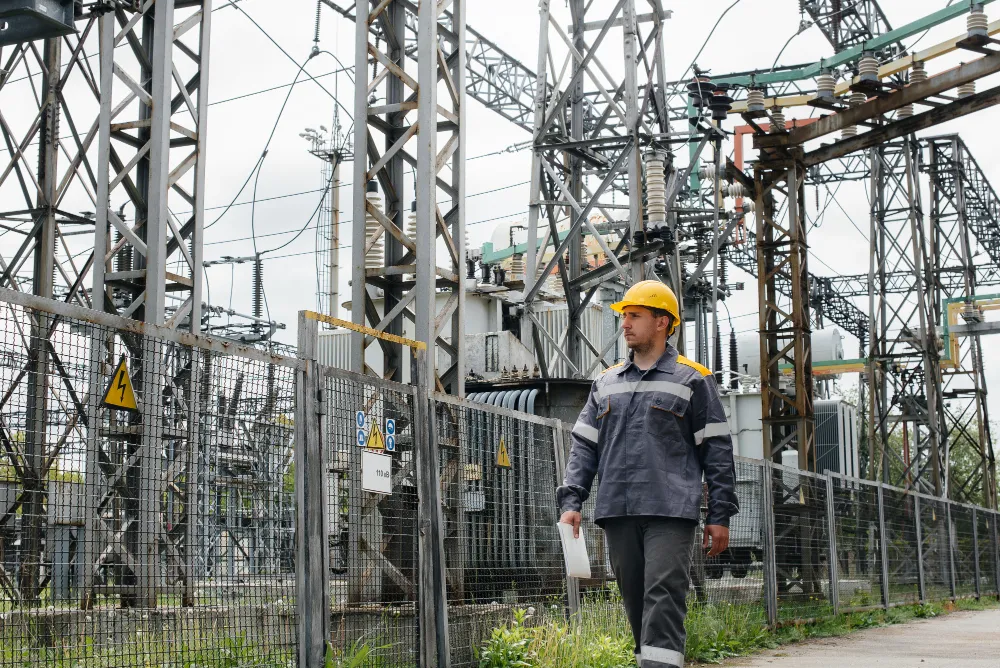

Structural protection solutions designed to preserve transformer integrity in high-consequence, population-dense, and safety-critical environments.
The High-Consequence Context
In critical infrastructure, failure impact extends beyond equipment.
Transformers located in sensitive environments may expose:
- Continuous production processes
- High-load electrical systems
- Safety-critical equipment
- Environmental control systems
When structural rupture occurs following internal arcing:
- Oil release may escalate into fire
- Adjacent process equipment may be damaged
- Production may halt abruptly
- Recovery timelines may extend significantly
Resilience in these environments is not optional.
It is a governance obligation.
Urban & Population-Dense Installations
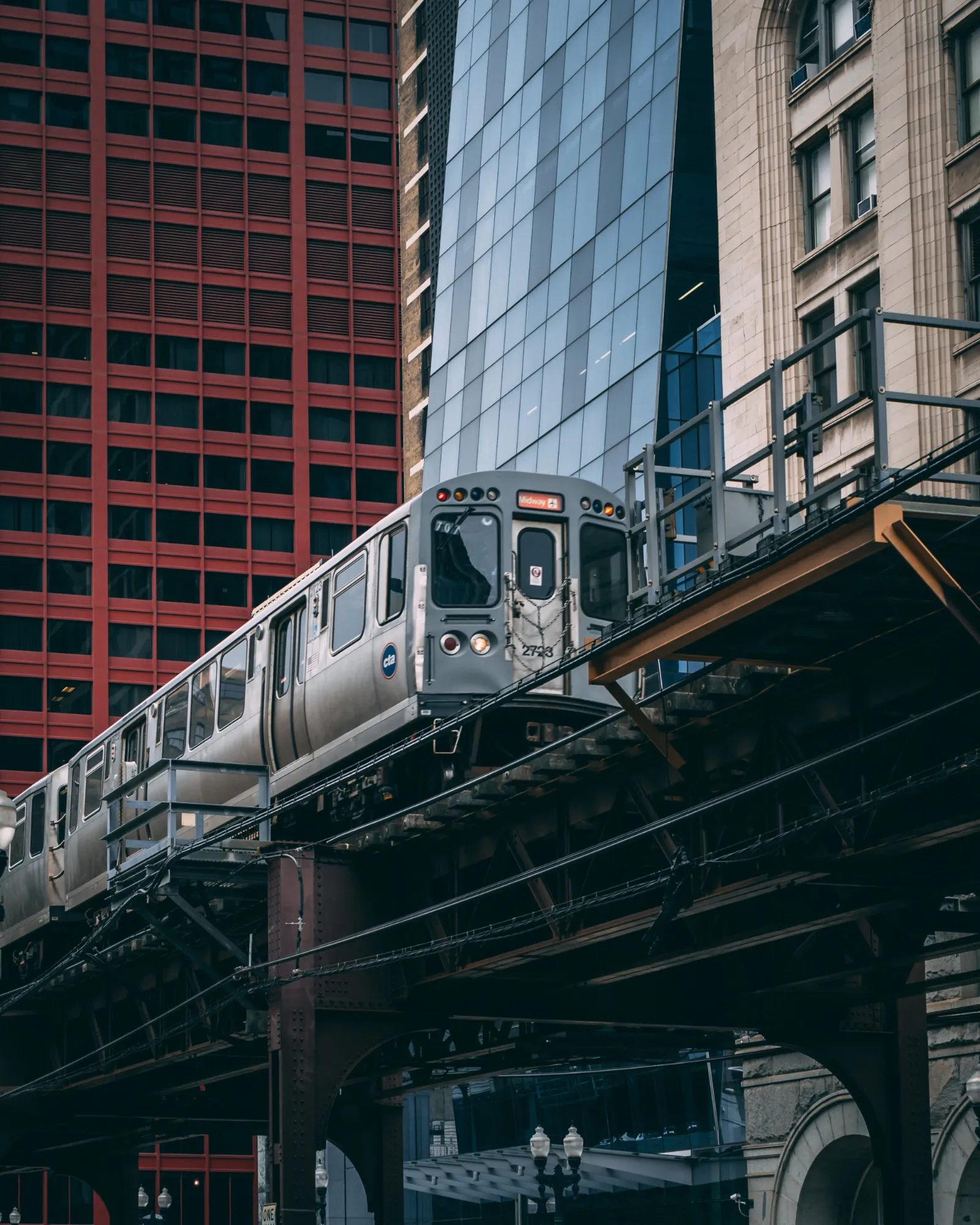
Structural protection is particularly relevant for:
- Indoor substations
- Underground transformer rooms
- Urban distribution networks
- Installations near residential zones
- Facilities adjacent to schools or hospitals
In such environments, structural rupture may lead to:
- Enclosed-space fire escalation
- Smoke migration
- Oil contamination in confined areas
- Extended emergency response procedures
Preserving tank integrity reduces exposure beyond the transformer itself.
Transportation Infrastructure
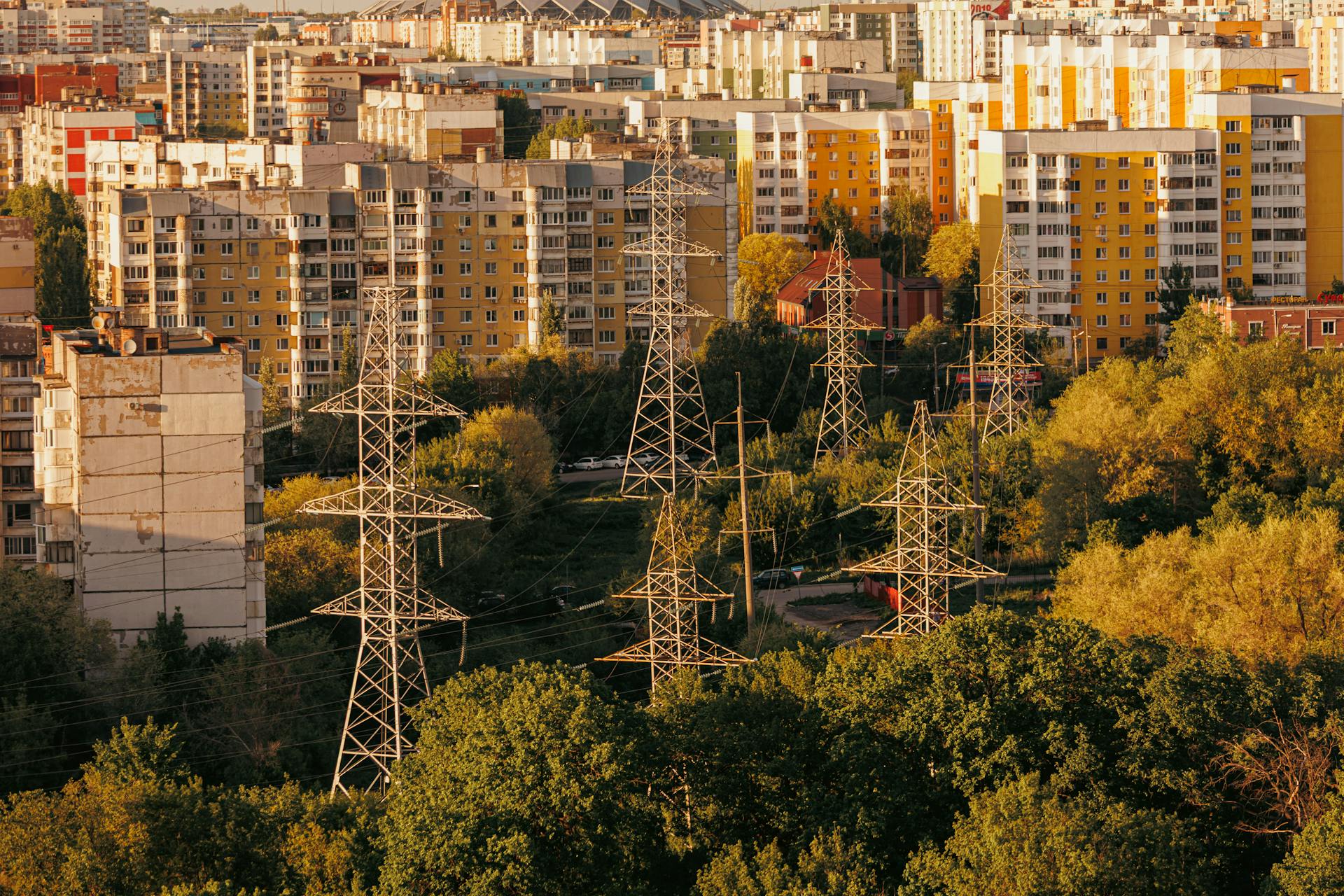
Metro, Rail, Airports, Ports
Power transformers supporting transportation systems often operate in:
- Underground or semi-confined spaces
- High-density public areas
- Operationally sensitive zones
Structural rupture in these environments may:
- Disrupt mobility
- Trigger evacuation procedures
- Impact public safety
- Extend service interruption
Engineering-based structural resilience limits the physical escalation of failure.
Water & Essential Services
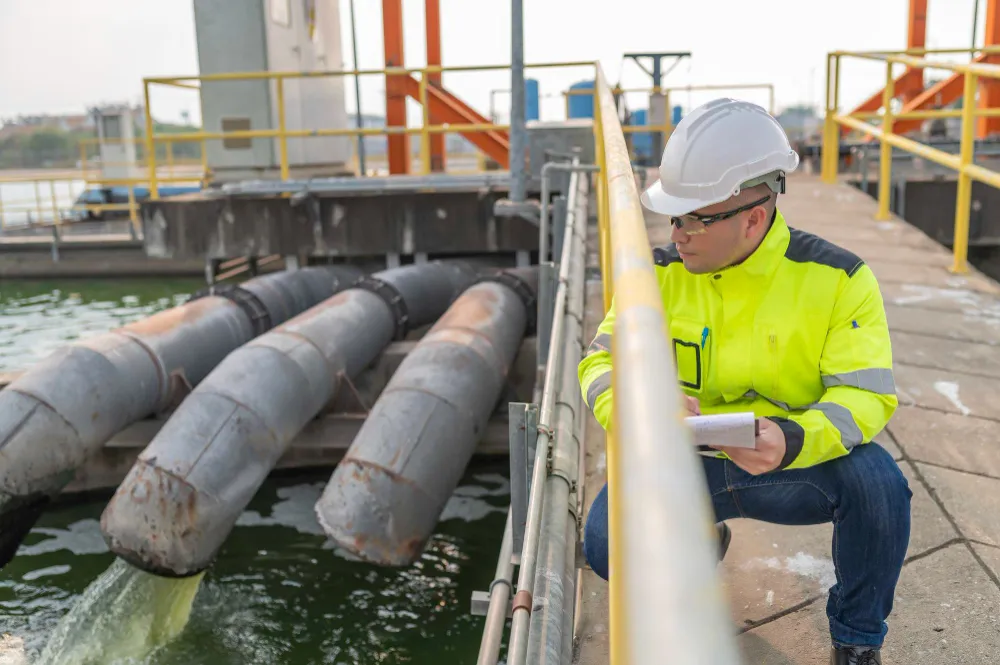
Water Treatment & Pumping Facilities
Transformers in water and wastewater facilities support essential services.
Failure escalation may:
- Interrupt water supply
- Affect treatment operations
- Require environmental remediation
Structural protection reduces the likelihood of catastrophic infrastructure impact.
Healthcare & Safety-Critical Facilities
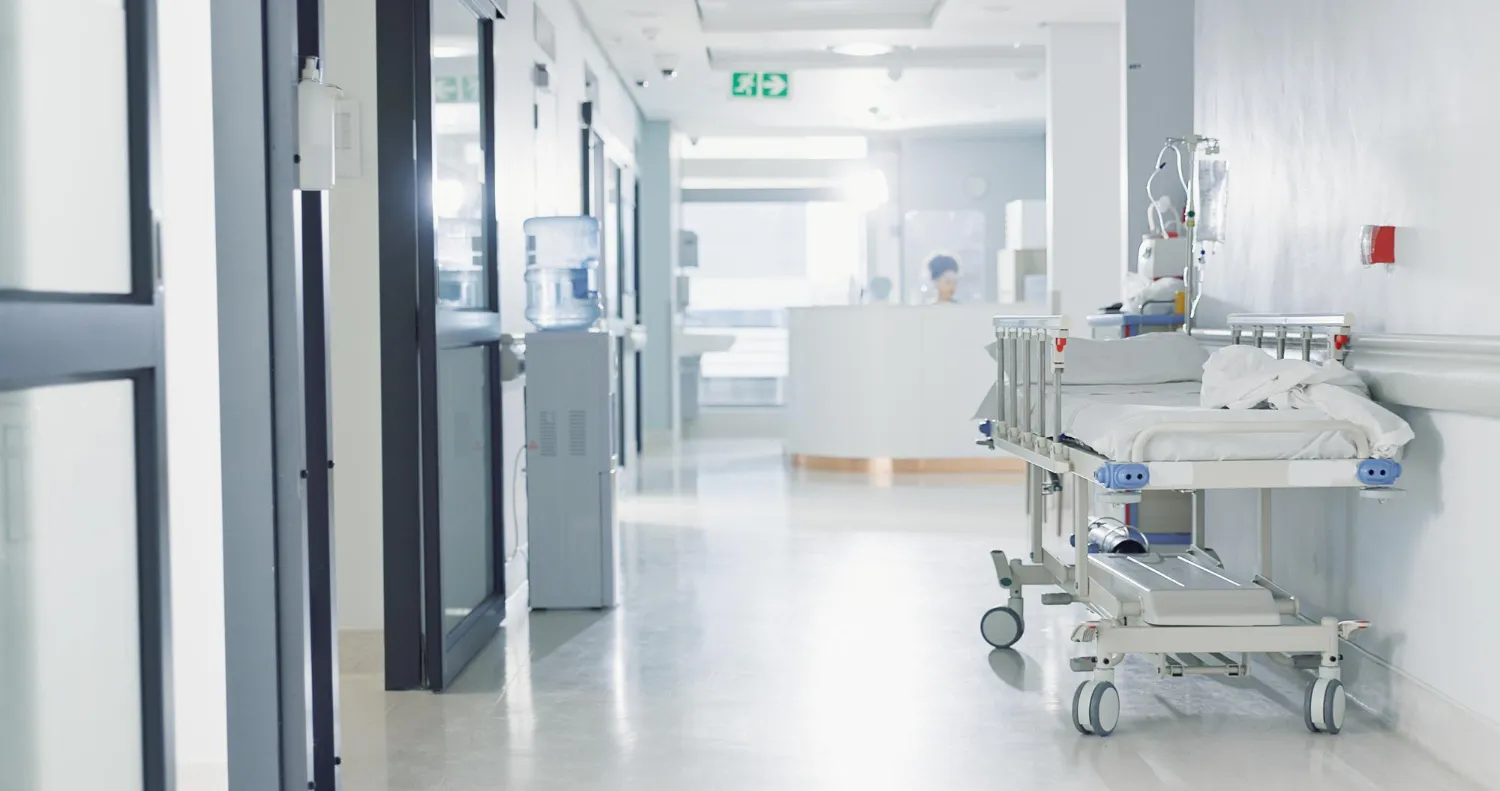
Hospitals and medical facilities rely on highly reliable power infrastructure.
Although redundancy exists, structural rupture can:
- Physically compromise redundant feeds
- Trigger facility-wide safety procedures
- Extend downtime beyond backup capacity assumptions
Structural resilience protects the integrity of the physical asset supporting critical services.
Governance & Regulatory Exposure
Critical infrastructure operators must evaluate:
- Public safety exposure
- Environmental liability
- Political and reputational risk
- Insurance positioning
- Compliance with risk-based frameworks
Engineering-based structural protection supports:
- Demonstrable risk mitigation
- Documented engineering alignment
- Reduced catastrophic exposure
Resilience in high-consequence environments is a governance decision supported by technical discipline.

Engineering Application
TPC supports:
- Retrofit integration for existing transformers
- Structural protection for new infrastructure projects
- Site-specific mechanical configuration
- Engineering documentation aligned with regulatory frameworks
System configuration depends on transformer architecture, site constraints, and operational context.

Request Engineering Discussion
Every high-consequence installation presents unique structural considerations.
Contact TPC to evaluate:
- Exposure in population-dense environments
- Retrofit feasibility
- Integration planning
- Risk mitigation strategy