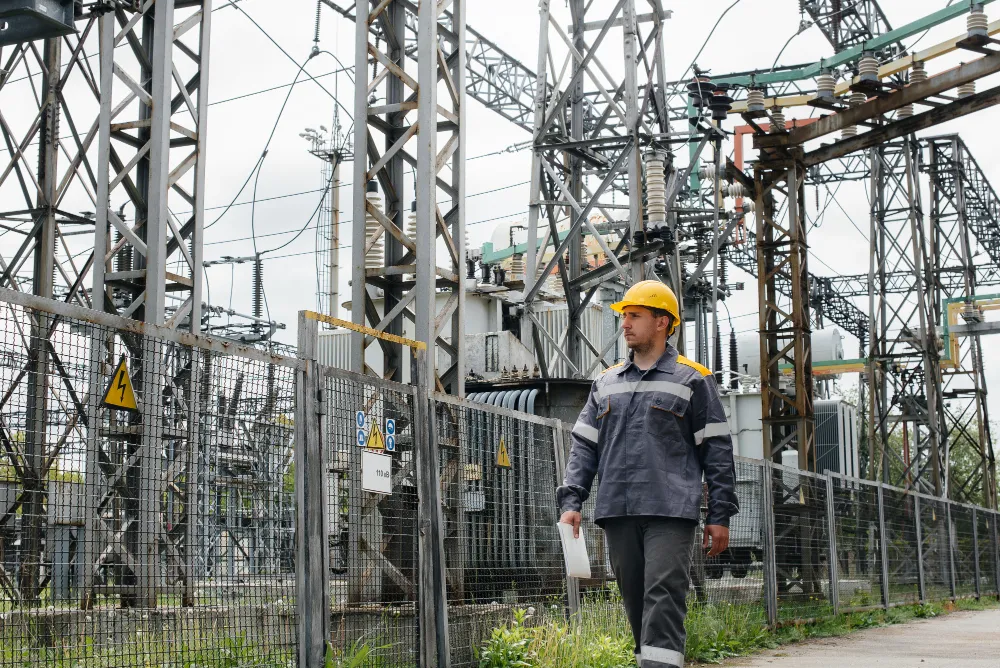

Engineering resilience supported by calibrated pressure modelling and structural simulation.
Engineering Rationale
Structural protection against transformer rupture requires understanding pressure dynamics, not only fault detection.
Internal arcing events generate:
- Rapid gas expansion
- Millisecond-scale dynamic pressure rise
- Static overpressure escalation
- Structural stress on tank walls and connected volumes
Modeling enables structured evaluation of these phenomena under project-specific conditions.
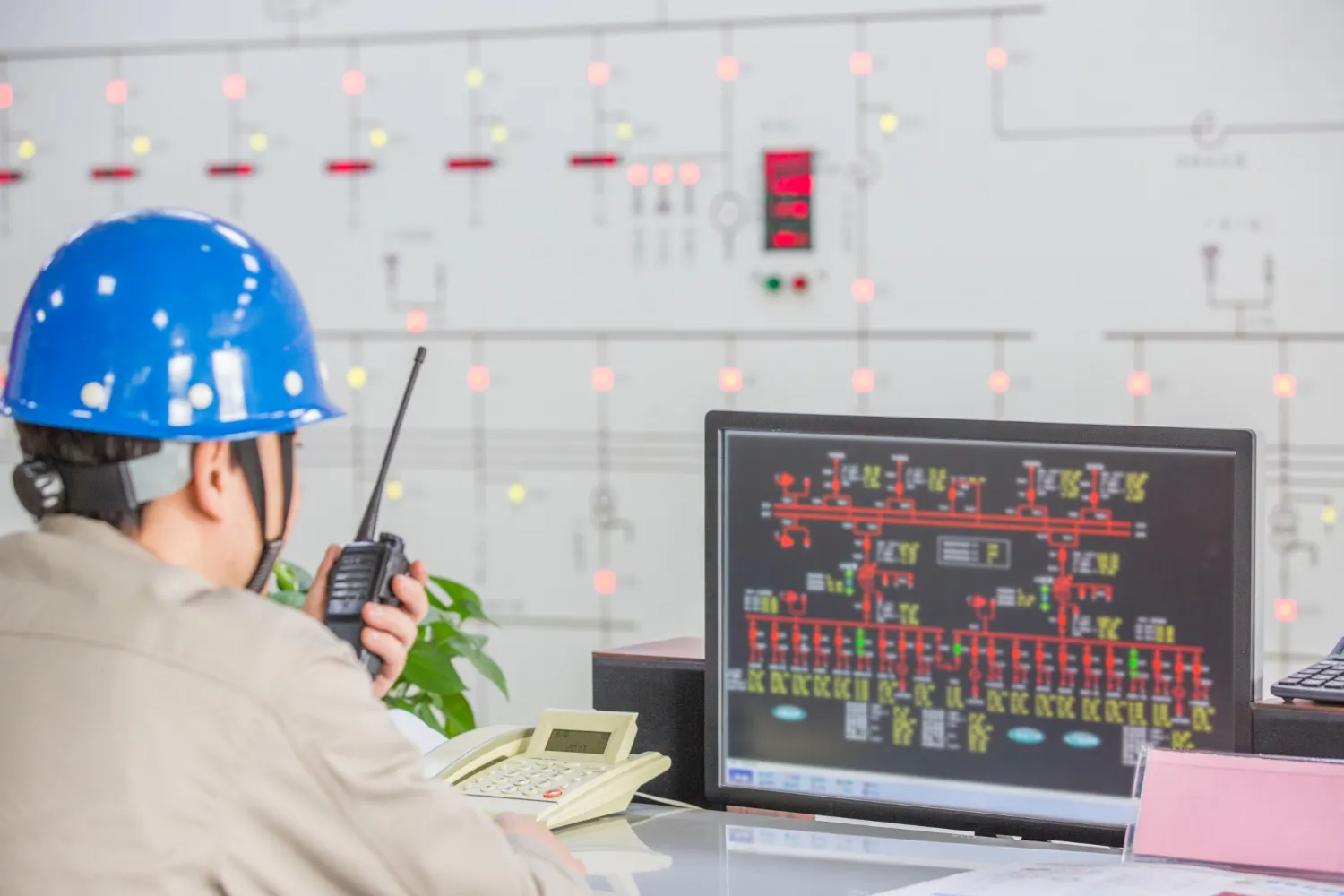
CFD – Pressure Propagation Analysis
Computational Fluid Dynamics (CFD) modelling is used to evaluate:
- Gas generation behavior
- Pressure wave propagation within the transformer tank
- Compartment-to-compartment pressure transfer
- Venting path efficiency
CFD supports:
- Engineering optimization of venting geometry
- Evaluation of localized pressure concentration
- Assessment of auxiliary volume exposure
Pressure-time curves derived from modelling are compared with full-scale test data to ensure calibration accuracy.
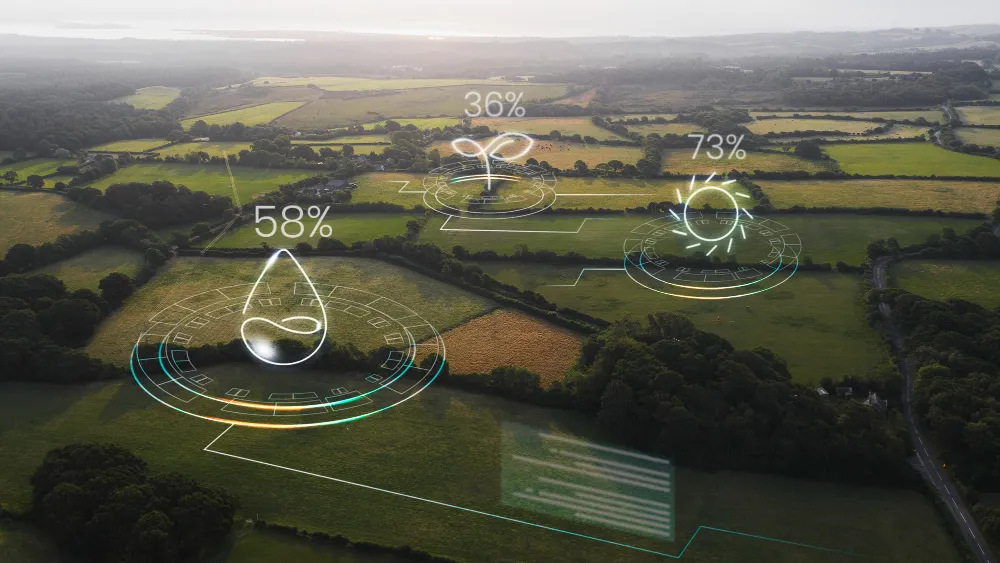
FSI – Fluid–Structure Interaction
Fluid–Structure Interaction (FSI) modelling evaluates:
- Structural response to dynamic pressure loads
- Stress distribution on tank walls
- Deformation under transient loading
- Structural survivability thresholds
FSI allows engineering teams to:
- Assess tank integrity under high-energy scenarios
- Evaluate reinforcement or mitigation requirements
- Optimize protection system configuration
Structural resilience is measured in physical response, not theoretical assumptions.
Compartment-Specific Analysis
Transformer configurations vary significantly.
Modeling supports assessment of:
- Main tank pressure behavior
- OLTC compartment exposure
- Bushing turret vulnerability
- Connected oil-filled cavities
Engineering configuration decisions are informed by this analysis.
Not all transformers require identical structural mitigation strategies.

Calibration & Validation
Modeling is not performed in isolation.
Simulation frameworks are calibrated against:
- Full-scale internal arc testing
- Measured pressure-time performance
- Activation timing validation
Calibration ensures that analytical results align with empirical behavior.
Engineering credibility depends on correlation between model and test.

Project-Specific Application
Modeling & analysis are applied in:
- Retrofit feasibility evaluation
- New transformer specification
- Risk assessment documentation
- Regulatory and insurance review support
Each project requires context-specific analysis based on:
- Transformer design
- Oil volume
- Structural characteristics
- Operational conditions
Engineering solutions are configured accordingly.

Engineering Discipline
Modeling & analysis are tools that support resilience engineering — not marketing instruments.
Their purpose is to:
- Reduce uncertainty
- Inform configuration decisions
- Validate system performance
- Support structured governance decisions
Structural survivability must be engineered on a case-by-case basis.

Request Technical Review
Contact TPC to discuss:
- Pressure modelling frameworks
- Structural response analysis
- Retrofit evaluation
- Project-specific configuration strategy